
7 Times Mold Testing Shouldn’t Be Delayed
The presence of mold in a home or building is more than a matter of cleanliness—it can have serious health and financial consequences. Prompt mold testing is essential in various situations to prevent these negative outcomes, and scheduling a professional mold testing service can help identify hidden problems early. Delaying testing can result in structural damage, health issues, and costly remediation processes.
Understanding when to prioritize mold testing requires recognizing its impact on air quality and potential allergens. Mold can influence property values and negotiations when buying or selling a home. This article outlines critical scenarios where waiting to test for mold could be detrimental, offering actionable insights for homeowners and property managers.
1. Respond to Water Damage Immediately
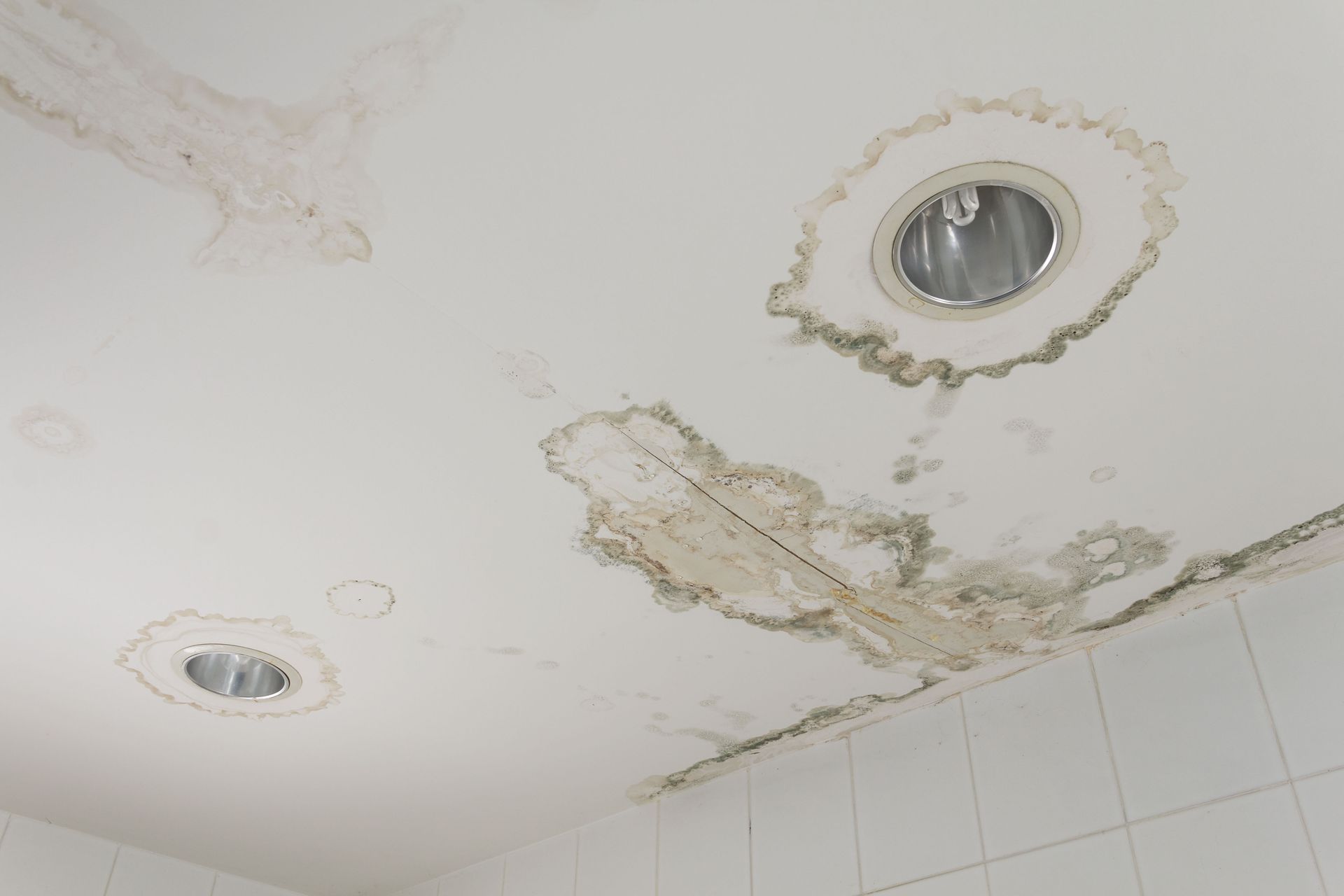
Water damage creates ideal conditions for mold spores to thrive. According to Home Gnome, mold can begin growing within 24 to 48 hours after water exposure, making timely response crucial. Rapid action can prevent widespread mold colonization and associated complications.
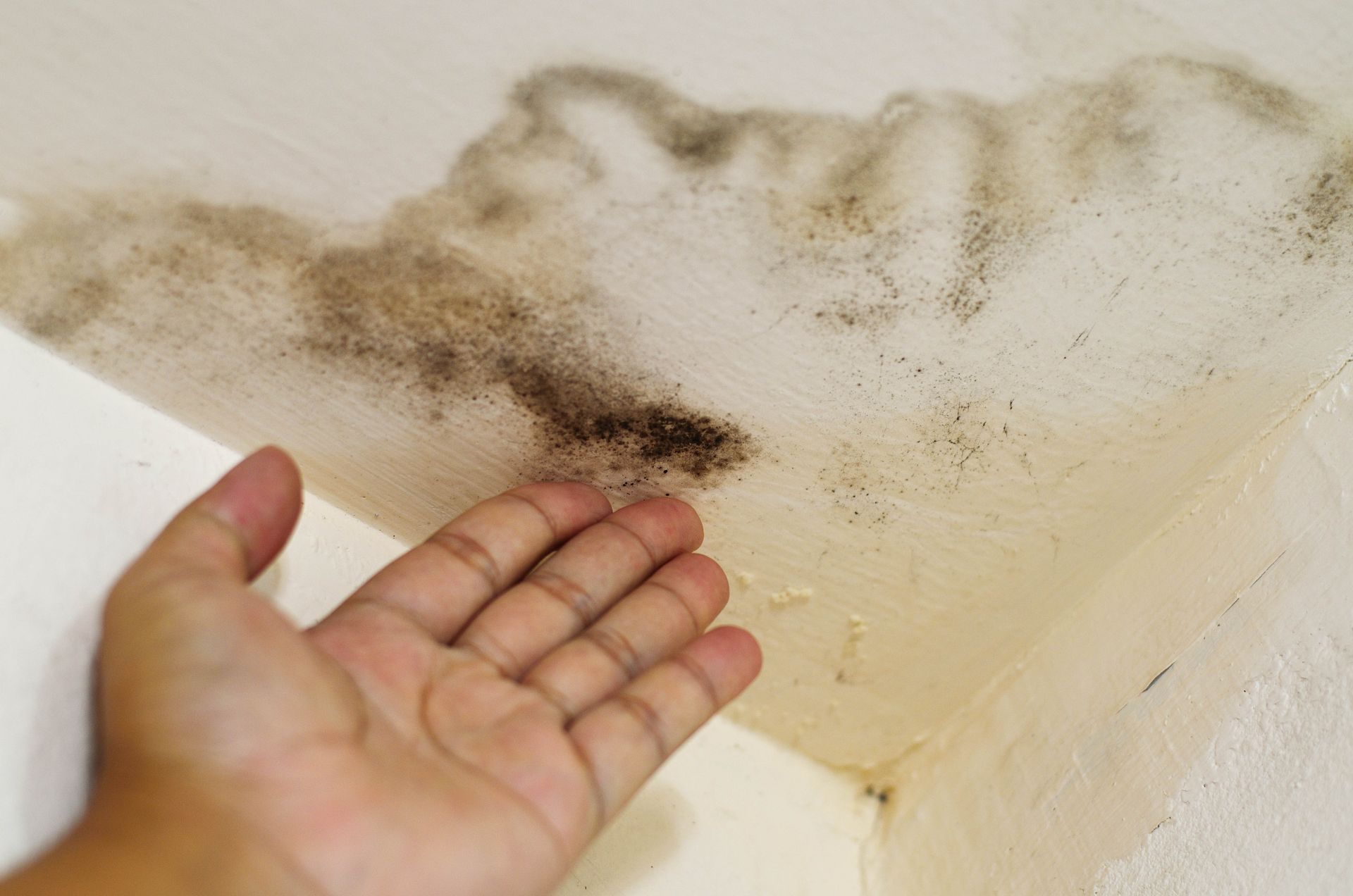
Mold often starts invisibly, releasing allergens that circulate through ventilation systems before colonies are visible. Within days, visible mold may appear, signaling the need for urgent remediation. Understanding this timeline emphasizes why a fast response is essential.
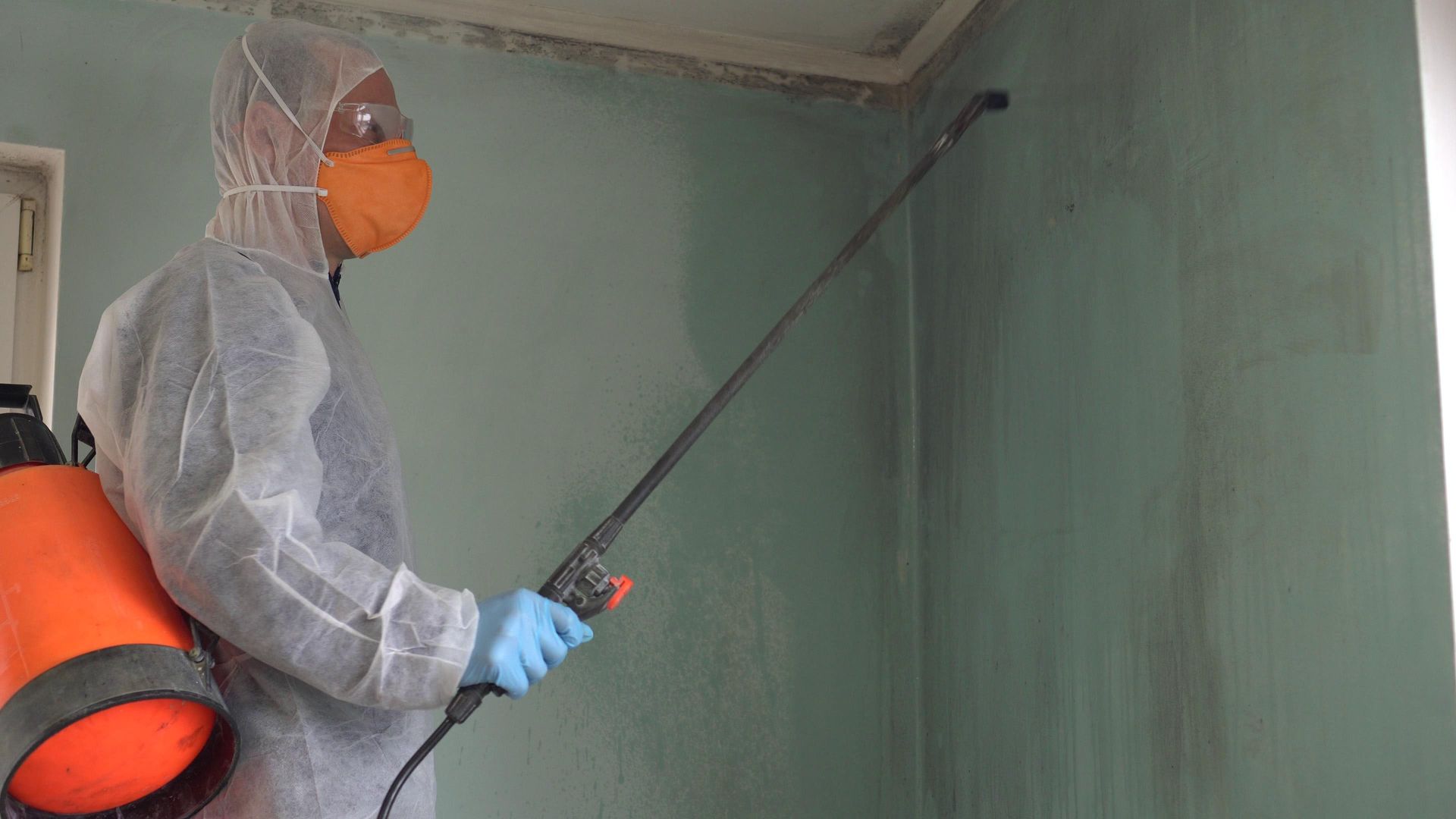
Engaging a professional mold testing service ensures hidden mold is identified and addressed. Thorough drying, dehumidifying, and timely inspections reduce the risk of extensive contamination, saving homeowners both time and money while maintaining a safe environment.
2. Conduct Immediate Testing to Protect Health
Immediate mold testing following water damage is critical to mitigate both visible and hidden mold-related hazards. Early detection allows homeowners to implement remediation strategies before damage escalates. Ignoring prompt testing can result in higher costs and prolonged recovery.
Professional mold testing services use advanced equipment, including moisture meters and infrared cameras, to detect concealed mold. These inspections not only identify the type and extent of mold but also inform safe and effective remediation plans.
Early testing is also vital for health protection. Mold exposure can cause allergies, respiratory issues, and other chronic conditions, particularly in vulnerable populations such as children and the elderly. Timely testing ensures interventions occur before these health risks worsen.
3. Assess Structural Damage Potential
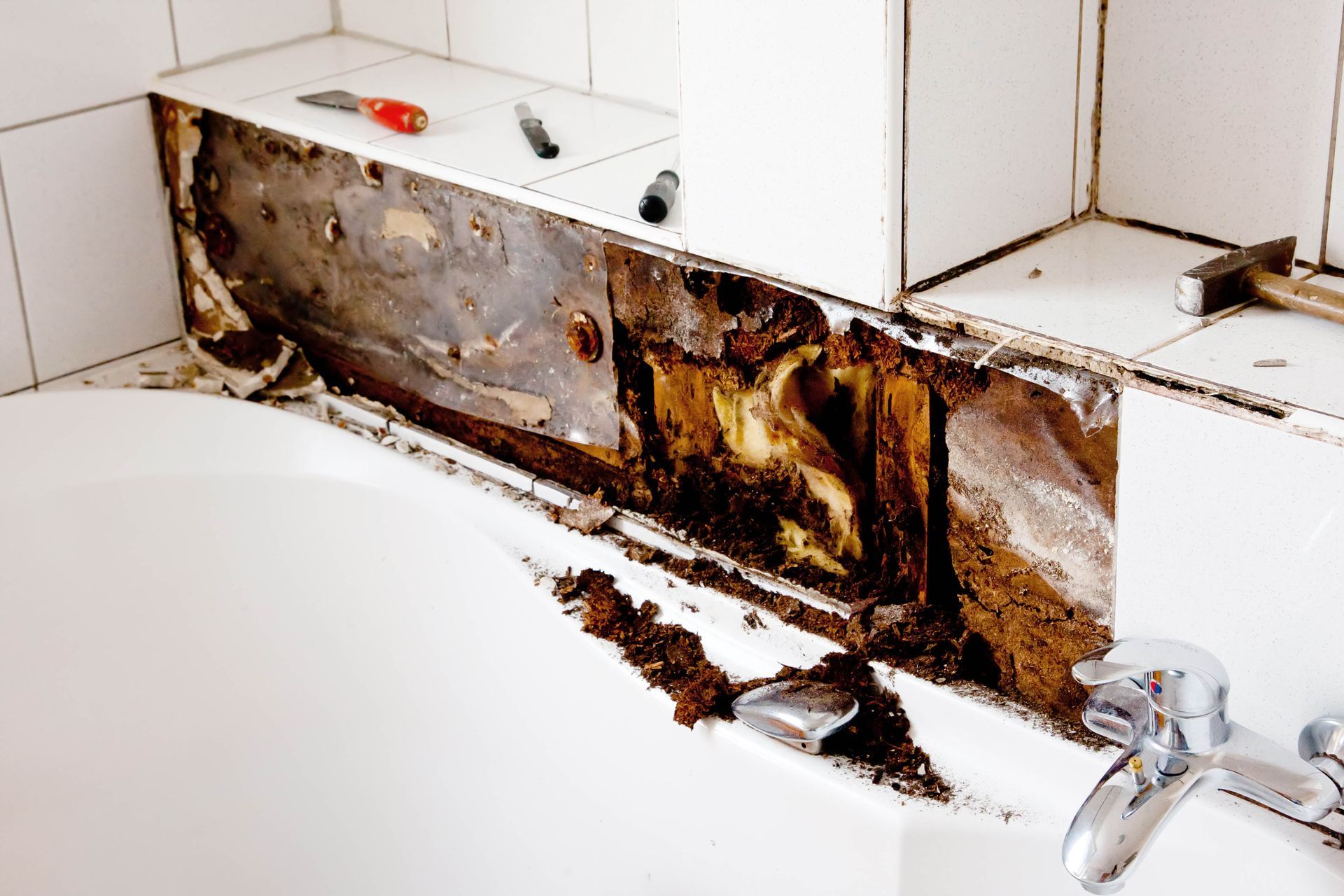
Unchecked mold growth can compromise a building’s structural integrity. Over time, mold deteriorates wood, drywall, and other materials, leading to expensive repairs and possible renovations. Hidden mold often spreads behind walls or under floors, making professional inspections essential.
Investing in a mold testing service at the first sign of water damage or humidity problems can prevent extensive structural harm. Early detection allows for targeted remediation, maintaining property value and minimizing the financial burden of repairs.
By proactively assessing potential structural risks, homeowners can avoid the severe consequences of delayed action. Mold testing is not only a preventative measure for health but also a critical strategy for preserving property integrity.
4. Prioritize Mold Testing When Buying or Selling Property
Mold presence can significantly influence property value. Homes with known mold issues often sell for less, and undisclosed mold can disrupt real estate transactions. Prompt mold testing provides clarity, reassuring buyers and sellers about a property’s condition.
Failure to disclose mold problems carries legal risks. Buyers are entitled to accurate information, and sellers who omit known mold infestations may face lawsuits or financial loss. Timely inspections document property conditions, preventing future disputes. Clear documentation from professional testing can serve as critical evidence if questions about property condition arise later.
Inspection contingencies in real estate deals often hinge on mold assessment results. Buyers can negotiate terms or request remediation based on professional testing data, creating transparency and supporting fair transactions. Reliable mold testing services enhance confidence and streamline negotiations.
5. Investigate After Health Symptoms Appear
Exposure to mold can trigger respiratory problems, from mild irritation to serious asthma exacerbations. Individuals living in environments with hidden mold often report symptoms that worsen indoors and improve when they leave the affected space. Noticing symptoms such as persistent coughing, sneezing, headaches, or sinus congestion warrants a prompt mold inspection to determine environmental causes. Identifying the source early helps prevent prolonged exposure that could lead to more severe respiratory complications.
Professional mold testing identifies both visible and hidden mold species, offering comprehensive data to guide health and remediation decisions. Mold frequently develops in concealed areas such as behind drywall, under flooring, or inside ventilation systems, where it may remain undetected without specialized tools. While DIY kits exist, they lack the accuracy and depth provided by a professional mold testing service, which uses advanced equipment and expert analysis to deliver reliable results.
Accurate test results also support medical treatments. Understanding the type and concentration of mold present allows healthcare providers to tailor care for individuals experiencing symptoms related to exposure. At the same time, targeted property remediation addresses the environmental source of the issue, reducing the likelihood of ongoing contamination. Early testing minimizes long-term health complications and promotes a healthier indoor environment for everyone in the home.
6. Monitor Humid or Mold-Prone Areas
Warm, humid climates and certain geographic locations, such as coastal or high-rainfall regions, naturally support mold growth. Homes in these environments often experience higher indoor humidity levels, creating conditions where mold spores can settle and multiply quickly. Residents in these areas should schedule mold testing proactively to detect early signs before infestations spread, especially when moisture issues persist or ventilation is limited.
Seasonal changes, particularly in spring and summer, increase moisture and mold risk as warmer air holds more humidity and storms introduce additional water exposure. Even small amounts of trapped moisture can accumulate behind walls, under flooring, or within insulation during these seasons. Regular inspections during these periods help identify developing problems early, preventing hidden growth and reducing the need for extensive remediation later.
Home design features like poorly ventilated bathrooms, attics, or basements can exacerbate moisture accumulation by trapping humid air and slowing the drying process. Structural issues such as leaky roofs, clogged gutters, or insufficient drainage further contribute to mold risk by allowing water to enter or remain in vulnerable areas of the home. Proactive mold testing in these high-risk areas ensures early detection and targeted prevention strategies that protect both indoor air quality and the long-term condition of the property.
7. Implement Preventive Mold Management
Preventive measures help reduce mold development and maintain safe indoor environments. Effective strategies include controlling humidity, ensuring proper ventilation, sealing leaks, and routine monitoring of high-risk areas. Employing a mold testing service periodically confirms that these preventive measures are successful.
Using dehumidifiers, air purifiers, and other tools in problem areas can maintain optimal conditions to deter mold growth. Regular inspections and timely testing are central to keeping both property and occupants safe from hidden threats. By integrating proactive testing with ongoing maintenance, homeowners can address potential mold issues before they escalate, protecting health, property value, and overall quality of life.
Delaying mold testing can lead to serious consequences, from health problems to structural damage and legal complications. Timely inspections, particularly after water damage, during real estate transactions, or in humid regions, are essential for effective risk management.
Engaging professional mold testing services provides reliable detection, informed remediation strategies, and peace of mind. For homeowners committed to a safe and healthy environment, we encourage taking immediate action with LRC Indoor Testing & Research and scheduling a consultation to ensure comprehensive protection

Share On: