
6 Insights a Detailed Mold Assessment Can Provide Property Owners
Mold can develop in places that are difficult to see, and visible growth does not always reveal the full extent of a moisture problem. For property owners, understanding where mold is present, what may be contributing to it, and how the building has been affected can influence the next steps. A detailed evaluation provides a clearer picture of current conditions instead of relying on surface appearance alone. The following six insights show how a local mold assessment can help property owners better understand mold-related concerns within a home or commercial building.
1. Where Mold Is Present
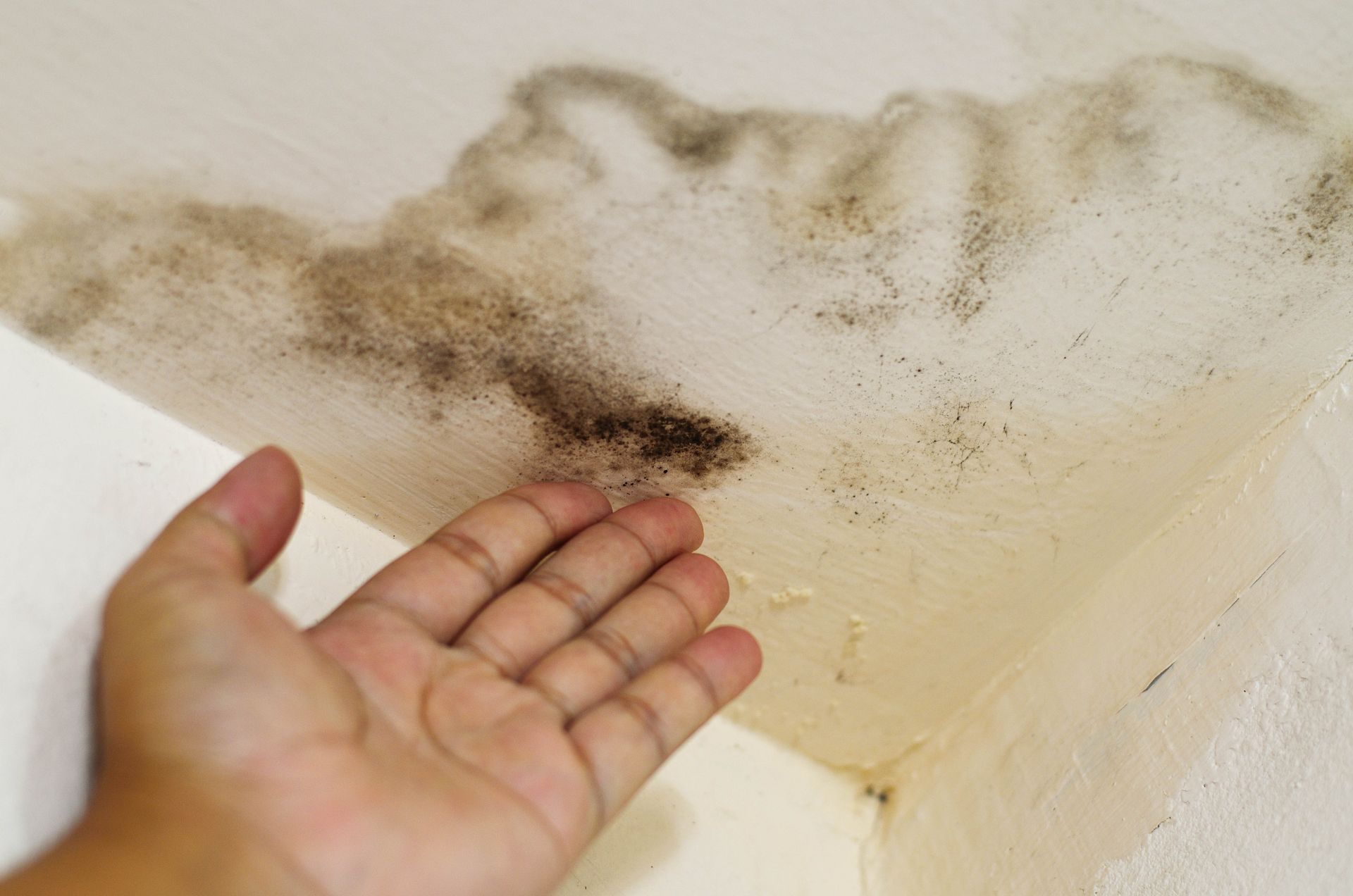
One of the first insights an assessment can provide is a clearer understanding of where mold growth is occurring. Some areas are easy to identify because discoloration or visible growth appears on walls or ceilings. Other areas may be less obvious, particularly when moisture has reached concealed spaces. A local mold assessment can draw attention to areas associated with leaks, water intrusion, or persistent dampness so owners have a more complete view of the building.
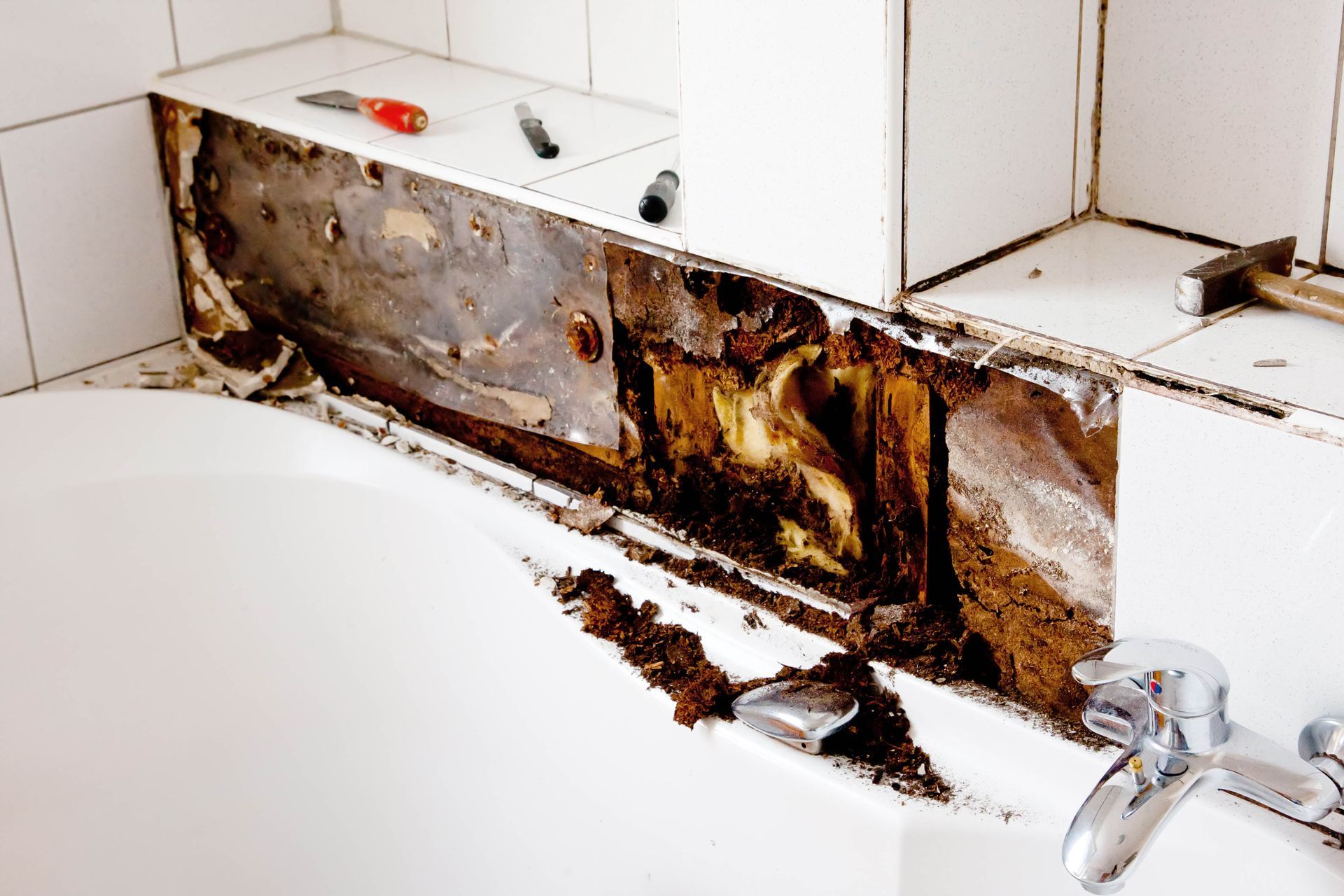
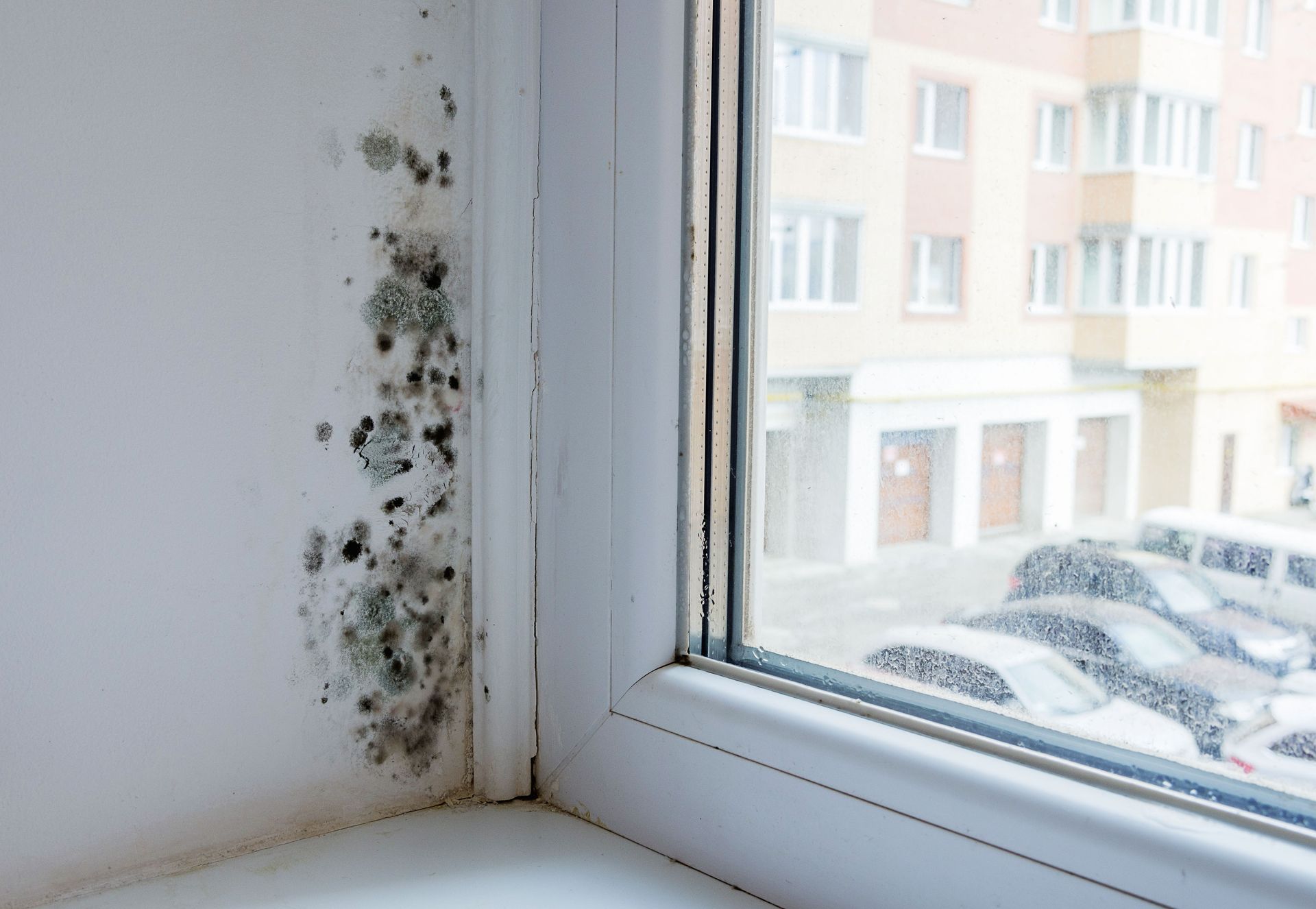
Mold can develop behind walls, beneath flooring, around plumbing components, or in other areas where moisture has accumulated. The location of growth may also provide context about how the problem developed. Mold concentrated near a window may be associated with repeated condensation, while ceiling damage may point to moisture entering from above. Identifying these patterns can help distinguish an isolated concern from a condition affecting several connected areas.
2. What Moisture Conditions May Be Supporting Growth
Mold problems are closely tied to moisture, making the source of dampness one of the most important details for property owners to understand. An assessment may reveal signs of roof leaks, plumbing problems, condensation, poor ventilation, or other conditions that allow materials to remain wet. A local mold assessment can help connect these moisture conditions with affected areas, giving owners more information about why mold may have developed rather than showing only where it is visible.
Indoor humidity is another important part of the moisture picture. According to the EPA, indoor humidity should be kept below 60%, ideally between 30 and 50% relative humidity. When a property has persistently elevated humidity, addressing visible mold alone may not resolve the environment that supports recurring growth. Moisture patterns can also indicate whether a problem is recent or persistent, particularly when the same area repeatedly shows stains, odors, or dampness.
3. Which Building Materials Have Been Affected
Different building materials respond to moisture in different ways. Porous materials such as drywall, wood, insulation, and carpeting can absorb moisture and may support mold growth when they stay damp. A detailed assessment can identify which surfaces or components appear affected and help property owners understand the extent of the material involvement. This information is more useful than treating every visible spot as though it represents the same level of concern.
A small area of surface growth may present a different situation from moisture that has reached wall cavities or several connected materials. Through a local mold assessment, property owners can gain a clearer picture of how far a problem may extend and which parts of the building deserve closer attention. Swelling, deterioration, staining, or recurring softness may also suggest that moisture has affected a material over time, helping owners better understand the condition of the surrounding area.
4. How Mold Conditions May Affect Occupied Areas
Property owners may also need to understand whether mold is present in spaces that people use frequently. Bedrooms, offices, classrooms, common areas, and other occupied rooms can raise different concerns than isolated storage spaces or rarely accessed sections of a building. An assessment can document where mold-related conditions are located in relation to everyday activity. This gives owners important context when deciding which areas may require prompt attention.
People do not always respond to mold exposure in the same way. Some individuals may be more sensitive and experience irritation, allergic reactions, or respiratory symptoms. A local mold assessment does not diagnose medical conditions, but it can provide important property information about where mold is present and how it relates to occupied areas. Clear findings can also support more informed conversations with remediation professionals or other appropriate specialists when owners are deciding how to address the problem.
5. Whether the Problem Appears Isolated or Recurring
A detailed assessment can help determine whether mold appears connected to a single event or a pattern of repeated moisture problems. Mold that developed after a known plumbing leak may have a clear point of origin. Recurring growth in the same room, however, may suggest that an ongoing condition continues to introduce moisture. Understanding this difference matters because repeated problems often require attention to the contributing environment, not only the visible growth.
Staining, previous repair areas, repeated odors, and moisture concentrated in familiar locations can all provide useful context. During a local mold assessment, these patterns may help show whether a building has experienced similar conditions before. A past roof problem, appliance leak, or plumbing failure may have affected materials beyond the immediately visible area. Even after the original event has been corrected, lingering moisture or overlooked damage can remain relevant to current mold concerns.
6. What Areas Should Be Prioritized Next
Perhaps the most practical insight from a detailed assessment is a clearer sense of where attention is needed first. Property owners may be dealing with several visible stains, odors, or moisture concerns at the same time, making it difficult to know which issue is most significant. Assessment findings can organize those observations by identifying affected locations, moisture conditions, and material concerns. This creates a more informed basis for deciding what deserves prompt attention.
A local mold assessment can give owners specific information about the conditions found in their building rather than a generic response to mold. One area may require further evaluation for an active leak, while another may show signs of elevated humidity or affected porous materials. By separating these conditions, owners can better understand the scope of the problem and communicate more clearly with professionals involved in remediation or property repairs.
The findings may also highlight areas that deserve ongoing monitoring after immediate concerns are addressed. Locations with previous moisture exposure, recurring condensation, or persistent humidity may need closer attention over time. Property owners can use this information to make maintenance decisions based on documented conditions rather than waiting for visible mold to return. This makes the assessment valuable not only for understanding an existing issue but also for recognizing where future problems may develop.
Understanding the Property More Clearly
Mold concerns can be difficult to evaluate when property owners only have visible growth, odors, or past water damage to guide them. A detailed assessment brings those observations together and provides clearer insight into mold locations, moisture conditions, affected materials, occupied spaces, recurring patterns, and areas that may require priority attention. Each of these details contributes to a more complete understanding of what is happening within the building.
The assessment gives property owners information they can use to make more informed decisions about their property. Instead of treating every mold concern as an isolated surface problem, owners can better understand the conditions that may be allowing growth to continue or return. With a clearer picture of the affected areas and contributing moisture issues, they are better positioned to address current concerns and protect the building over time.



Share On: