
6 Health Risks a Mold Assessment Can Help Prevent
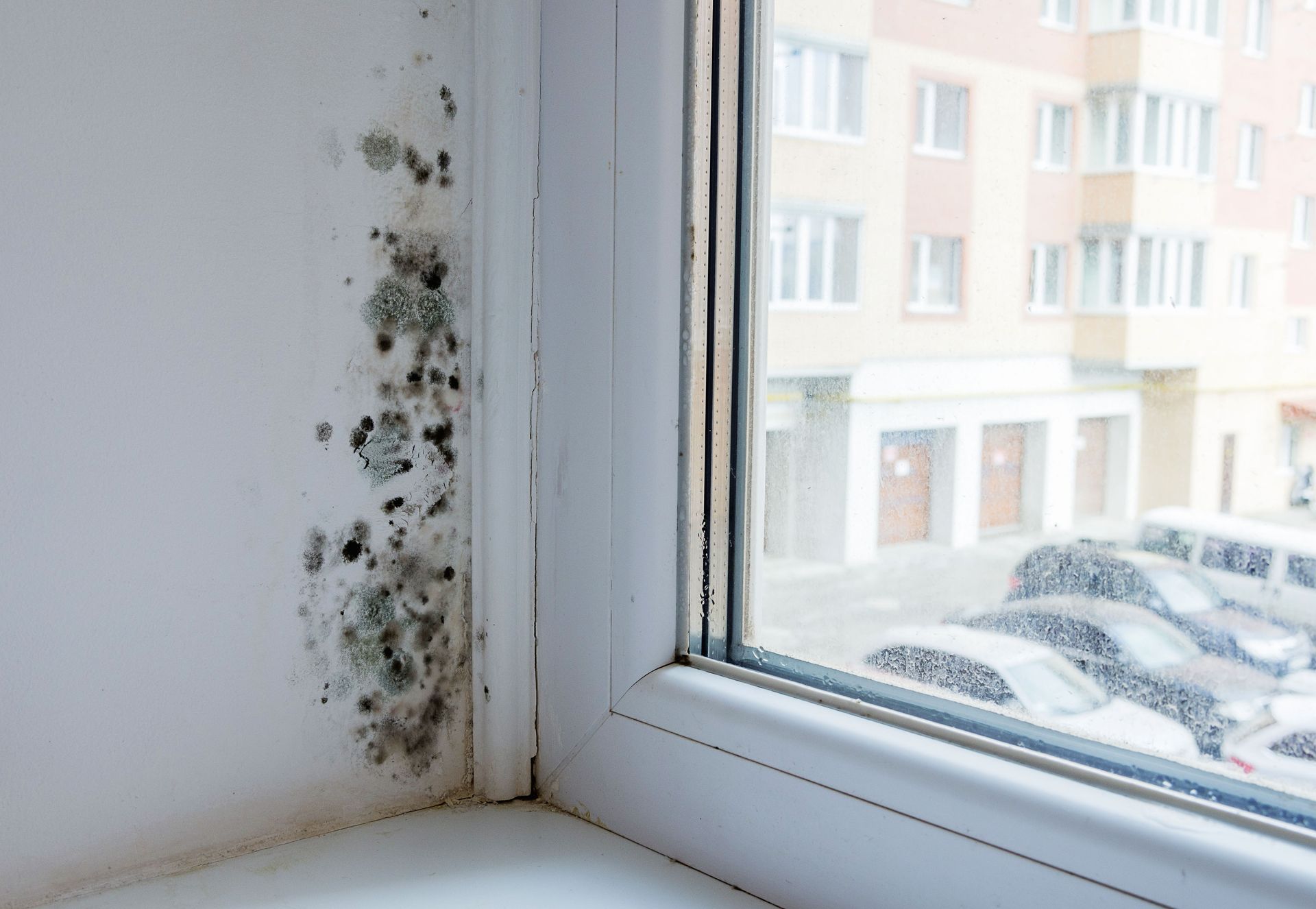
Mold can create hidden health concerns inside homes, especially when moisture problems go unnoticed. Because mold thrives in damp areas, it can spread behind walls, under flooring, around windows, and in bathrooms, basements, or attics. According to Home Gnome, indoor moisture levels should stay below 60%, ideally between 30% and 50%. Keeping humidity within that range can help reduce mold growth and support healthier indoor air. Regular mold assessment services can also help homeowners identify possible mold concerns before they become larger issues. When these inspections are performed consistently, they provide a clearer understanding of indoor conditions and help prevent long-term exposure to harmful contaminants that may otherwise go undetected.
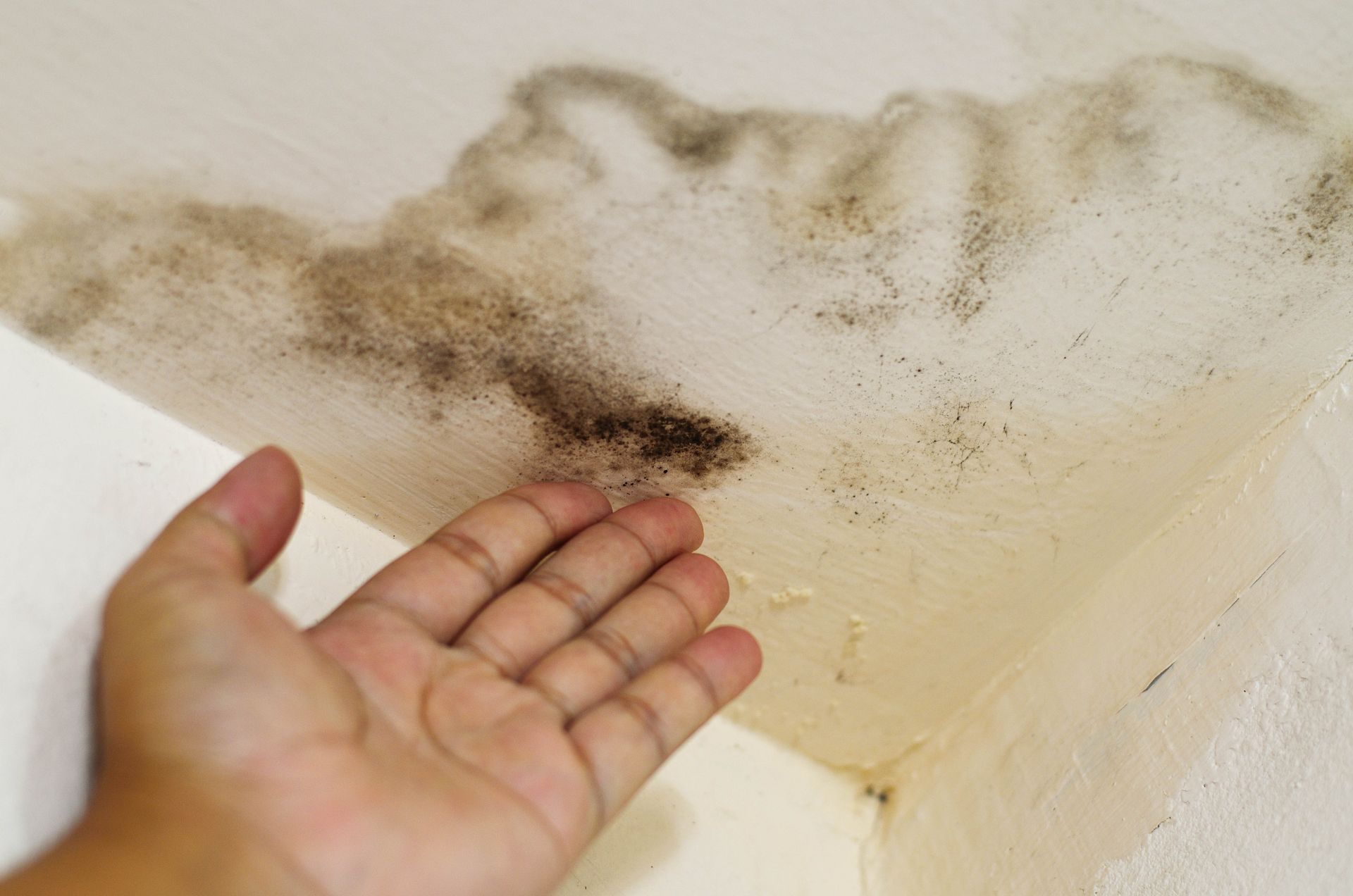
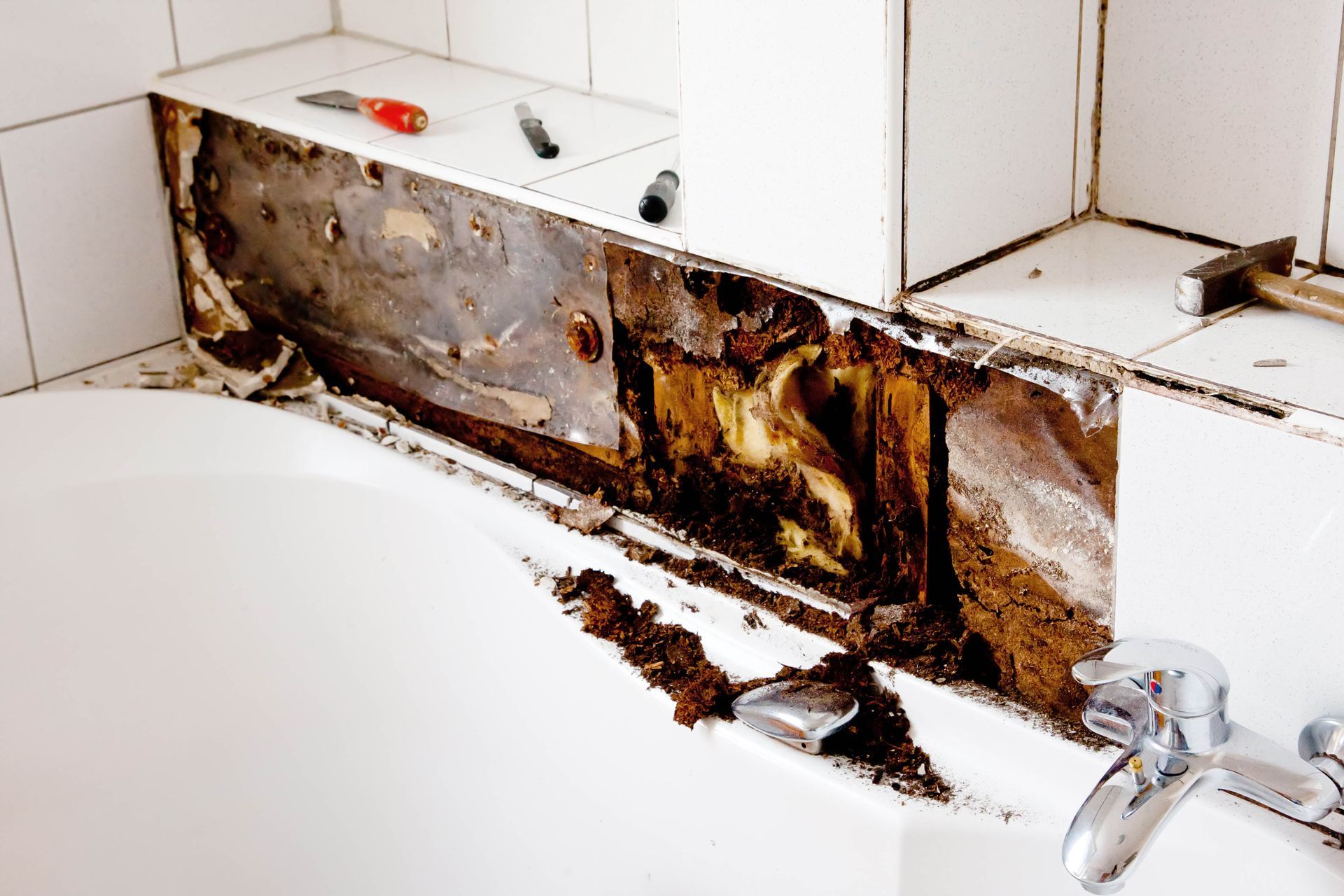
In many cases, mold develops gradually, making it easy to overlook until symptoms or visible damage appear. Small leaks, condensation, or poor ventilation can create the perfect environment for mold to grow over time. Because these issues are not always obvious, homeowners may continue living with elevated moisture levels without realizing the potential impact on their health. Taking a proactive approach through regular evaluations can help uncover these hidden risks and support better indoor air quality throughout the home.
1. Respiratory Health Risks
Mold exposure can affect breathing, especially for people with asthma, allergies, or other respiratory conditions. Mold spores can irritate the lungs and airways, causing coughing, wheezing, shortness of breath, and chest tightness. For people who already struggle with asthma, mold may increase the frequency or severity of symptoms. Children, older adults, and people with weakened immune systems may be more sensitive to these effects. Mold assessment services can help locate hidden sources of mold so homeowners can address moisture problems and reduce airborne irritants. Early detection is especially important because prolonged exposure may gradually worsen respiratory health, even in individuals who do not initially show symptoms.
In addition, long-term exposure to airborne mold particles can contribute to ongoing discomfort that interferes with daily life. Poor sleep, reduced physical activity, and increased reliance on medication may all become more common when respiratory symptoms are not addressed at the source. Identifying and correcting mold-related issues can help restore a more comfortable and stable indoor environment.
2. Sinus and Throat Irritation
Mold can also irritate the nose, throat, and sinuses. People exposed to mold may experience congestion, sneezing, headaches, sore throat, itchy eyes, or postnasal drip. These symptoms may seem similar to seasonal allergies, which can make mold harder to recognize as the cause. If symptoms become worse indoors or improve after leaving the home, mold may be part of the problem. Mold assessment services can help determine whether mold growth is contributing to ongoing irritation in the living space. Identifying the root cause of these symptoms allows homeowners to take targeted action instead of relying only on temporary relief measures like medication or air fresheners.
Over time, repeated exposure to mold-related irritants may lead to more persistent sinus discomfort. This can affect concentration, sleep quality, and overall well-being. Addressing indoor air quality concerns early can reduce the likelihood of long-term irritation and help maintain a healthier daily environment.
3. Skin and Eye Reactions
Some people develop skin reactions after contact with mold spores or mold-contaminated surfaces. These reactions can include itching, dryness, redness, rashes, hives, or worsening eczema. Mold can also irritate the eyes, leading to redness, watering, burning, or sensitivity. These issues may become more noticeable in rooms with poor ventilation or excess humidity. Bathrooms, laundry areas, crawl spaces, and basements are common places where moisture can collect. Mold assessment services can help identify these problem areas and guide the next steps for improving the indoor environment. Addressing these concerns not only improves comfort but also helps reduce repeated exposure that can make symptoms more persistent over time.
Improving airflow and reducing damp conditions in these areas can significantly reduce the likelihood of recurring skin or eye irritation. Simple changes such as increasing ventilation or repairing moisture sources can have a noticeable impact on comfort levels within the home.
4. Immune System Concerns
Long-term mold exposure may place extra stress on the immune system. When the body repeatedly reacts to mold spores, allergens, or irritants, some people may feel tired, run down, or more sensitive to other environmental triggers. Those with existing immune system conditions may experience stronger reactions or slower recovery from illness. Mold does not affect everyone the same way, but reducing exposure is still an important part of maintaining a healthier home. Mold assessment services provide useful information when moisture damage, musty odors, or unexplained symptoms suggest a possible mold issue. By understanding the extent of exposure, homeowners can take meaningful steps to protect their overall health and reduce unnecessary strain on the body’s defenses.
Maintaining a clean and well-ventilated home environment can support the immune system by limiting ongoing exposure to irritants. Small improvements in indoor conditions often lead to noticeable benefits in how people feel day to day.
5. Neurological and General Symptoms
Some people report headaches, dizziness, trouble concentrating, fatigue, or mood changes when living in mold-affected environments. These symptoms can be difficult to connect directly to mold because they may have many possible causes. However, poor indoor air quality can still affect comfort, focus, and daily wellness. A musty odor, visible staining, past leaks, or repeated humidity problems should not be ignored. Addressing mold concerns early can help restore confidence in the safety and cleanliness of the home. Mold assessment services can help rule out or confirm environmental factors that may be contributing to these broader symptoms, giving homeowners more clarity about their living conditions.
Improved indoor air quality often leads to better focus, increased energy levels, and a more comfortable living space overall. Taking action early can prevent these general symptoms from becoming ongoing concerns.
6. Moisture Control and Prevention
Moisture control is one of the most important ways to limit mold growth. Homeowners can reduce risk by repairing leaks quickly, improving ventilation, using exhaust fans, cleaning up water damage, and monitoring indoor humidity. Dehumidifiers may help in damp basements or humid climates. It is also important to inspect areas around windows, roofs, plumbing fixtures, and HVAC systems. When moisture is controlled, mold has fewer opportunities to grow and spread. Consistent monitoring of humidity levels and routine home maintenance can make a significant difference in preventing mold from returning after it has been removed.
In addition, maintaining proper airflow throughout the home can help keep surfaces dry and reduce condensation buildup. Opening windows when weather allows, running ventilation systems, and ensuring that insulation is properly installed all contribute to a more balanced indoor environment. These preventive steps work together to create conditions that are less favorable for mold growth and more supportive of long-term indoor air quality.
Mold exposure can affect respiratory health, skin comfort, sinus function, immune response, and overall indoor wellness. While not every mold concern creates the same level of risk, hidden moisture should always be taken seriously. Keeping indoor humidity between 30% and 50%, repairing leaks quickly, and improving ventilation can make a major difference. Routine mold assessment services support early detection, healthier air, and a safer living environment for everyone in the home. Taking proactive steps today can help prevent more serious issues in the future and provide greater peace of mind. Contact LRC Indoor Testing & Research today and get connected with our services. Our team works with homeowners to identify potential concerns, explain findings clearly, and recommend practical next steps that support a cleaner, safer indoor environment for your household.


Share On: