
Things Mold Testing Can Reveal About Indoor Air Quality
Stepping across the threshold of your home should provide an immediate sensation of shelter, comfort, and safety. Modern occupants spend the vast majority of their daily lives indoors, sleeping in bedrooms, preparing meals, and working in corporate suites. Because contemporary architectural construction prioritizes energy efficiency through tight building envelopes, double-pane windows, and sealed insulation barriers, indoor air volumes circulate continuously with minimal natural ventilation. While airtight building envelopes lower heating and cooling expenditures, they also trap ambient humidity and biological particles inside living spaces. Among the invisible microscopic hazards circulating through indoor environments, fungal spores represent an extraordinarily persistent, destructive, and medically hazardous contaminant confronting property owners. Microscopic fungal spores travel silently through ambient air currents, settling into dark wall cavities, damp carpet fibers, and air conditioning ducts where they colonize moist building materials unnoticed. The significant clinical impact of persistent indoor dampness is underscored by nationwide medical research; indeed, according to RubyHome, 21% of asthma cases in the U.S. may be attributed to dampness and mold. This alarming medical reality demonstrates why property owners cannot afford to treat subtle musty odors or recurrent respiratory flare-ups with indifference. Sourcing accredited environmental evaluations bridges the critical gap between hazardous biological ignorance and proactive indoor air quality management. Understanding what laboratory sampling uncovers empowers property owners to make informed investments that protect indoor spaces. Prioritizing biological testing defends respiratory wellness, preserves investments, and guarantees peace of mind across every season.
Identifying Hidden Subterranean Spore Reservoirs Behind Finished Drywall
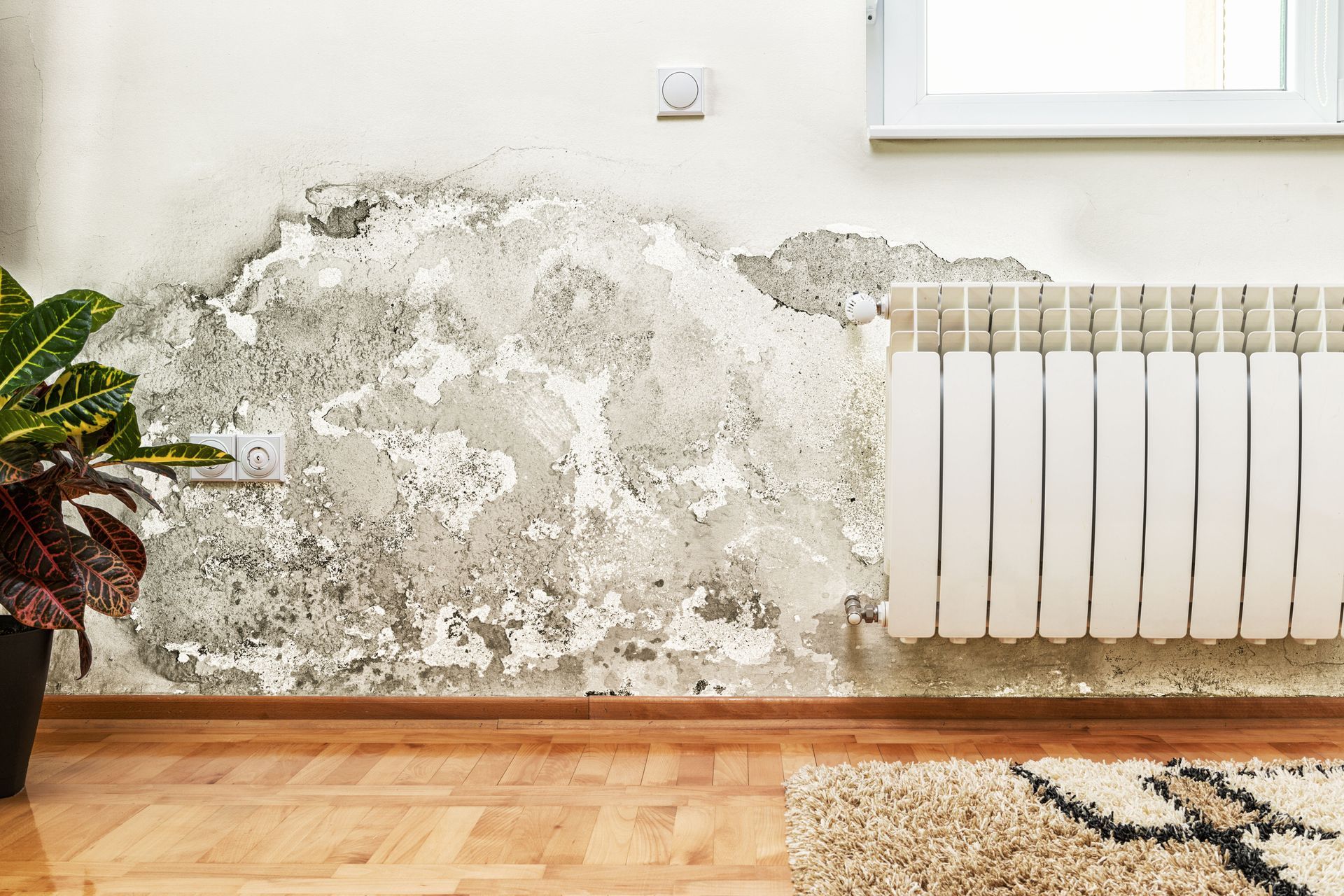
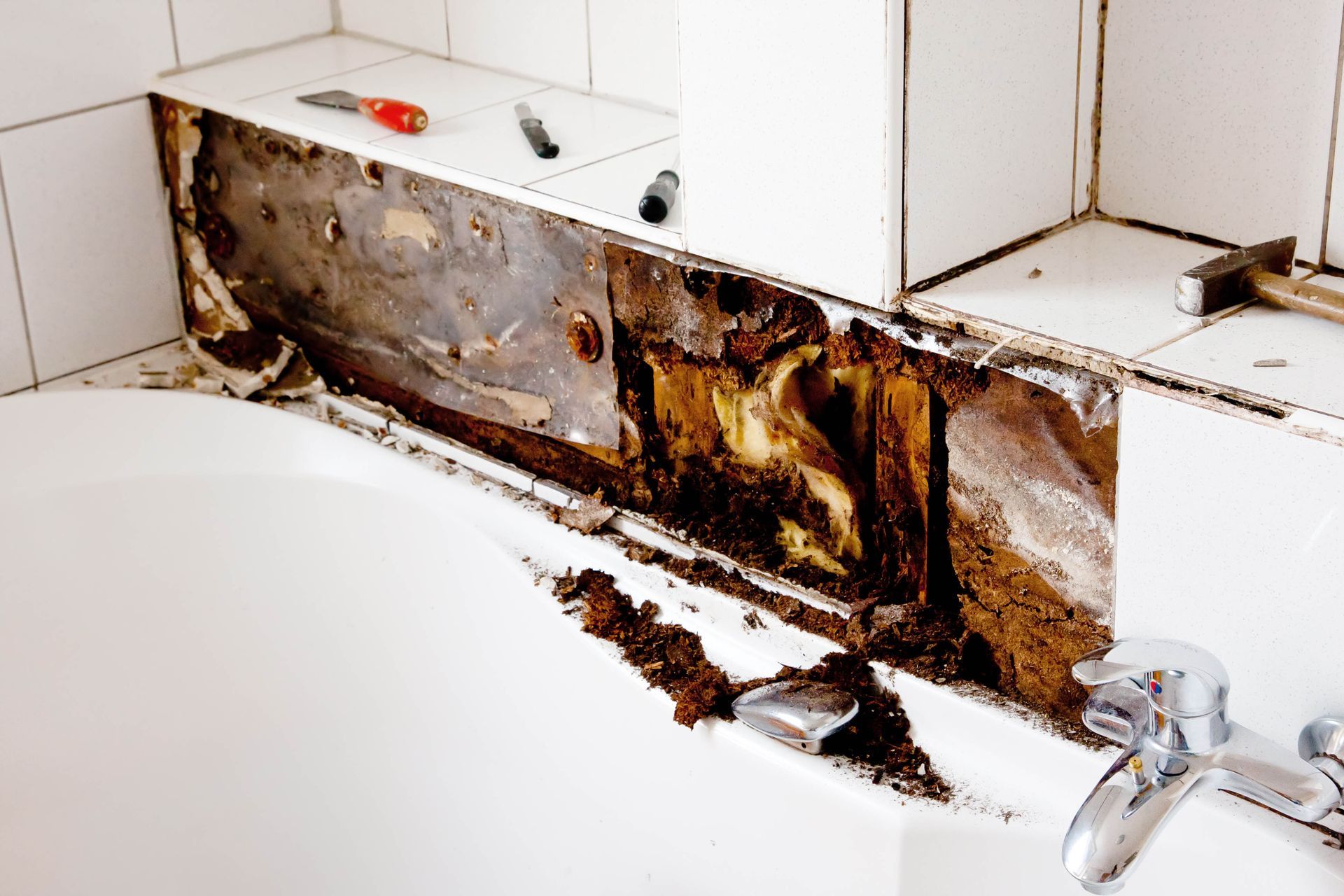
The most insidious aspect of fungal contamination is that colonies frequently thrive concealed from human sight. Property owners often assume that absent discolored patches spreading across baseboards, their living quarters remain completely sterile. However, microscopic fungal blooms flourish readily on damp cellulose backings of drywall panels, beneath hardwood floor underlayments, inside dropped ceiling tiles, and within hidden plumbing chases. Plumbing leaks or roof flashing gaps introduce moisture into wall cavities, creating ideal conditions for fungal proliferation while outer surfaces appear immaculate. Retaining professional local mold testing services allows certified investigators to deploy non-invasive diagnostic tools—including infrared cameras and moisture meters—to detect active moisture pockets and extract samples from wall voids. Laboratory analysis reveals elevated spore counts that indicate hidden colonies actively consuming structural framing. Uncovering concealed biological reservoirs prevents extensive dry rot, protects load-bearing timbers, and stops toxic airborne spores from migrating outward into living areas.
Measuring Airborne Spore Concentrations Relative to Outdoor Baselines
Evaluating whether an indoor space harbors a hazardous biological condition requires measuring exact airborne particulate densities against outdoor baseline controls. Outdoor air naturally contains fungal spores originating from soil and vegetation; consequently, indoor air naturally contains some spores entering through doors and windows. However, when indoor air samples reveal spore concentrations significantly exceeding outdoor levels, or when indoor species compositions diverge sharply from exterior controls, an active indoor amplification source is confirmed. Enlisting experienced local mold testing services ensures technicians collect volumetric air samples using precision cassettes and calibrated vacuum flow pumps. Environmental laboratories analyze these collection cassettes under high-powered microscopy, calculating exact spore counts per cubic meter of air. Quantifying airborne spore density clarifies contamination severity, proving whether occupants breathe background concentrations or dense biological aerosols. Objective comparative quantification eliminates guesswork, provides scientific documentation, and establishes clear benchmarks for measuring future remediation success.
Differentiating Benign Environmental Strains From Hazardous Mycotoxin Producers
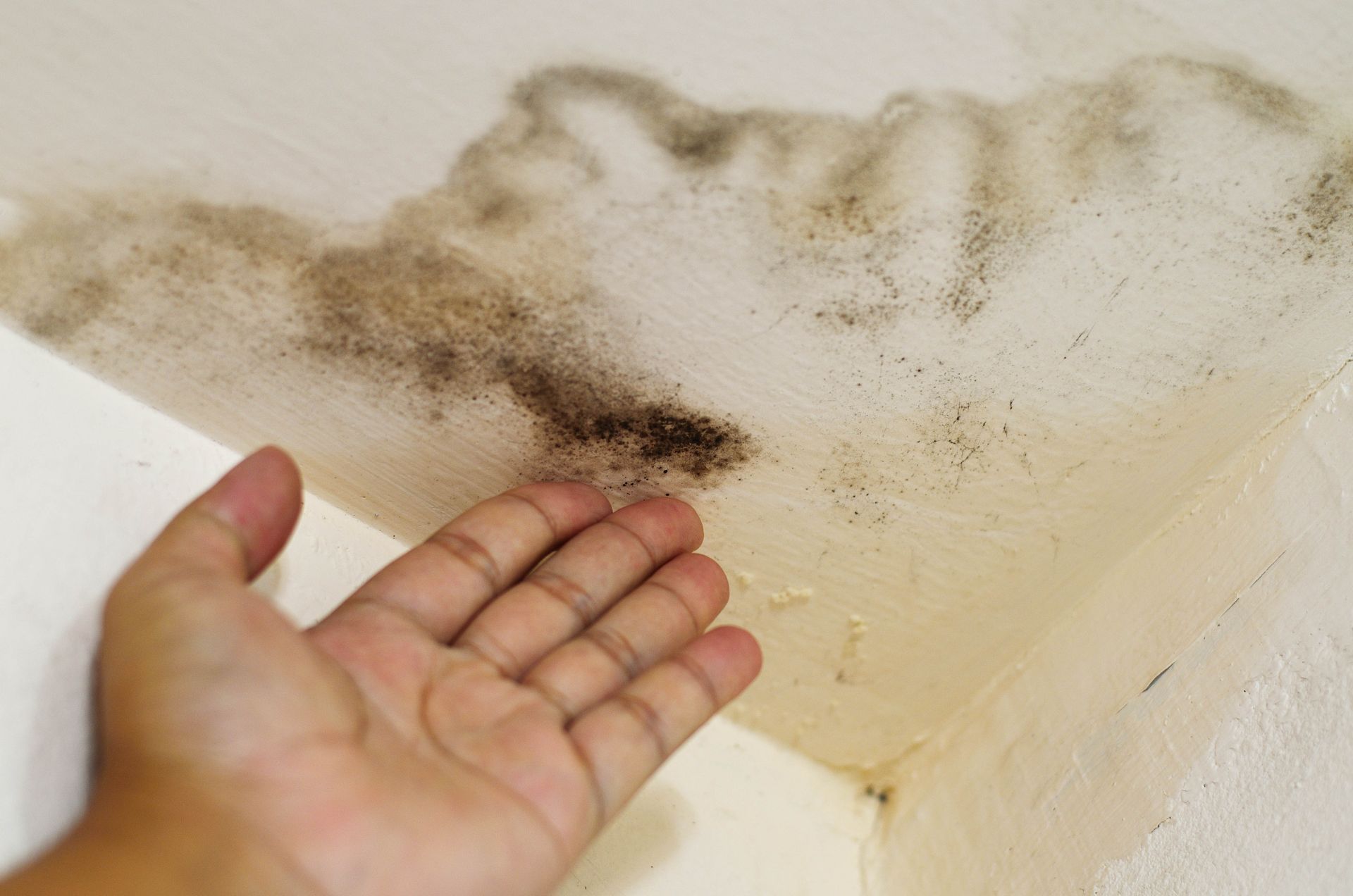
Not all indoor fungal species pose identical health or structural threats, making precise taxonomic genus and species identification a vital objective of professional testing. Common environmental molds cause mild allergic irritation and sneezing; however, other predatory species produce dangerous secondary chemical metabolites known as mycotoxins. Toxic species like Stachybotrys chartarum, commonly termed black mold, thrive on saturated cellulose and release potent mycotoxins capable of causing neurological symptoms and severe immune dysfunction. Sourcing qualified local mold testing services delivers comprehensive laboratory speciation reports that identify the exact fungal genera colonizing your property. Culturing surface tape lifts and air impaction plates allows microbiologists to pinpoint dangerous mycotoxin-producing strains. Differentiating between benign allergen triggers and hazardous toxic organisms guides medical providers in diagnosing persistent patient illnesses and dictates the precise containment protocols required during professional environmental remediation.
Uncovering Chronic Humidity Imbalances and Hidden Mechanical Duct Contamination
Indoor air quality represents a dynamic reflection of heating, ventilation, and air conditioning system health and building thermodynamic performance. When air conditioning systems cool indoor air too rapidly without extracting sufficient latent humidity, interior spaces remain clammy and humid. Persistent humidity exceeding normal thresholds creates an atmospheric greenhouse that encourages spore germination across furniture, clothing, and drywall. Furthermore, central HVAC systems often harbor extensive fungal colonies within dirty evaporator coil drain pans, flexible ductwork linings, and blower fan housings. Sourcing dependable local mold testing services includes thorough mechanical evaluations where technicians sample HVAC registers, supply plenums, and return air ducts to determine if the ventilation system is actively blowing biological contaminants into every room. Testing supply air identifies mechanical filtration failures, pinpointing when duct cleaning or dehumidifier installations are required. Remediating HVAC fungal amplification stops cross-contamination, balances indoor moisture, and restores clean airflow throughout the property.
Pinpointing Past Undocumented Water Disasters and Historic Structural Leaks
When purchasing real estate or leasing commercial space, occupants are vulnerable to undisclosed historic water disasters. Sellers or landlords may hastily paint over stained ceilings, replace damp carpeting, and apply superficial deodorizers to mask past basement flooding or roof breaches. While cosmetic cover-ups hide the visual evidence of past flooding, fungal spores and dormant colonies remain viable inside wall cavities for years, reactivating the moment ambient humidity rises. Contracting thorough local mold testing services serves as an indispensable investigative tool during pre-purchase real estate due diligence. Environmental inspectors identify spore fragments and water damage markers that reveal prior flooding events or chronic roof leaks. Discovering biological evidence provides buyers with negotiating leverage, allowing them to request formal escrow remediation or reconsider purchasing compromised property. Uncovering historical water trauma safeguards capital investments, prevents unexpected repair expenses, and ensures your dwelling is genuinely safe.
Investing in comprehensive indoor environmental testing represents an essential, life-enhancing commitment to family health, personal wellness, and architectural asset preservation. Indoor air quality remains an invisible yet profoundly influential factor dictating your everyday physical comfort, sleep quality, and long-term respiratory vitality. A musty room odor, a damp basement wall, or chronic respiratory symptoms are not minor inconveniences to be masked with aerosol air fresheners; rather, they are clear warnings of microscopic biological proliferation that requires objective scientific investigation. By identifying wall cavity reservoirs, measuring spore densities against baselines, differentiating toxic species from allergens, evaluating HVAC systems, and verifying clearance, professional testing empowers property owners to take decisive action. Bypassing retail test kits in favor of accredited environmental scientists ensures laboratory analyses deliver rigorous diagnostic accuracy. Dedicated environmental stewardship transforms an uncertain, compromised living space into a clean, safe sanctuary where occupants breathe freely. Prioritizing master biological testing protects household wellness, preserves real estate equity, and guarantees peace of mind across every season.
At LRC Indoor Testing & Research, our dedicated team brings deep environmental science expertise, state-of-the-art laboratory sampling technology, and an unwavering commitment to craftsmanship on every diagnostic evaluation we guide, ensuring your property achieves maximum indoor air purity, unyielding biological safety, and peace of mind across every breath you take. Contact us today or visit our local laboratory facility to schedule your comprehensive indoor air quality evaluation and discover the lasting benefits of working with trusted environmental testing professionals.


Share On: