
Our Assessments
LRC Indoor Testing & Research
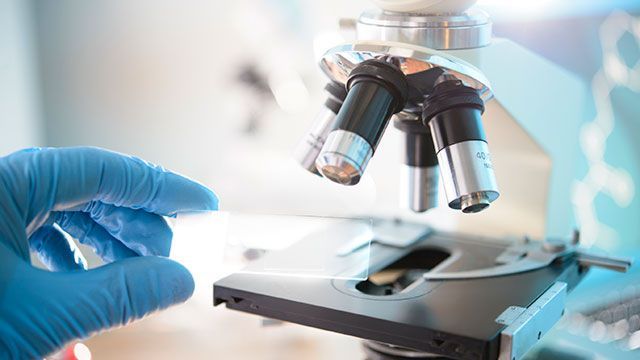
Comprehensive Environmental Assessments
When concerns about moisture, mold, air quality, or hidden environmental contaminants arise, a detailed assessment is the first and most important step toward answers. Our process is designed to identify what’s happening inside your property, explain what the results mean, and provide a clear path forward if remediation is needed.
Every assessment combines visual inspection, advanced instrumentation, laboratory testing, and professional interpretation—so you’re not left guessing what the data means or what to do next.
What’s Included in a Comprehensive Assessment
Our full property assessments are designed to identify both visible and hidden environmental concerns affecting indoor air quality and structural health.
A typical assessment includes:
- A full visual walkthrough of the property to identify areas of concern
- Temperature and humidity measurements throughout the home or building
- Moisture meter readings around plumbing penetrations and intrusion-prone areas
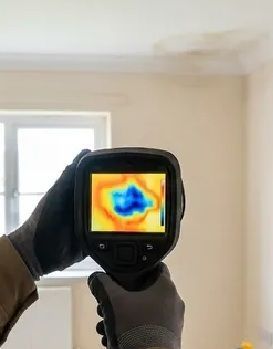
- Thermal imaging to detect hidden moisture behind walls and surfaces
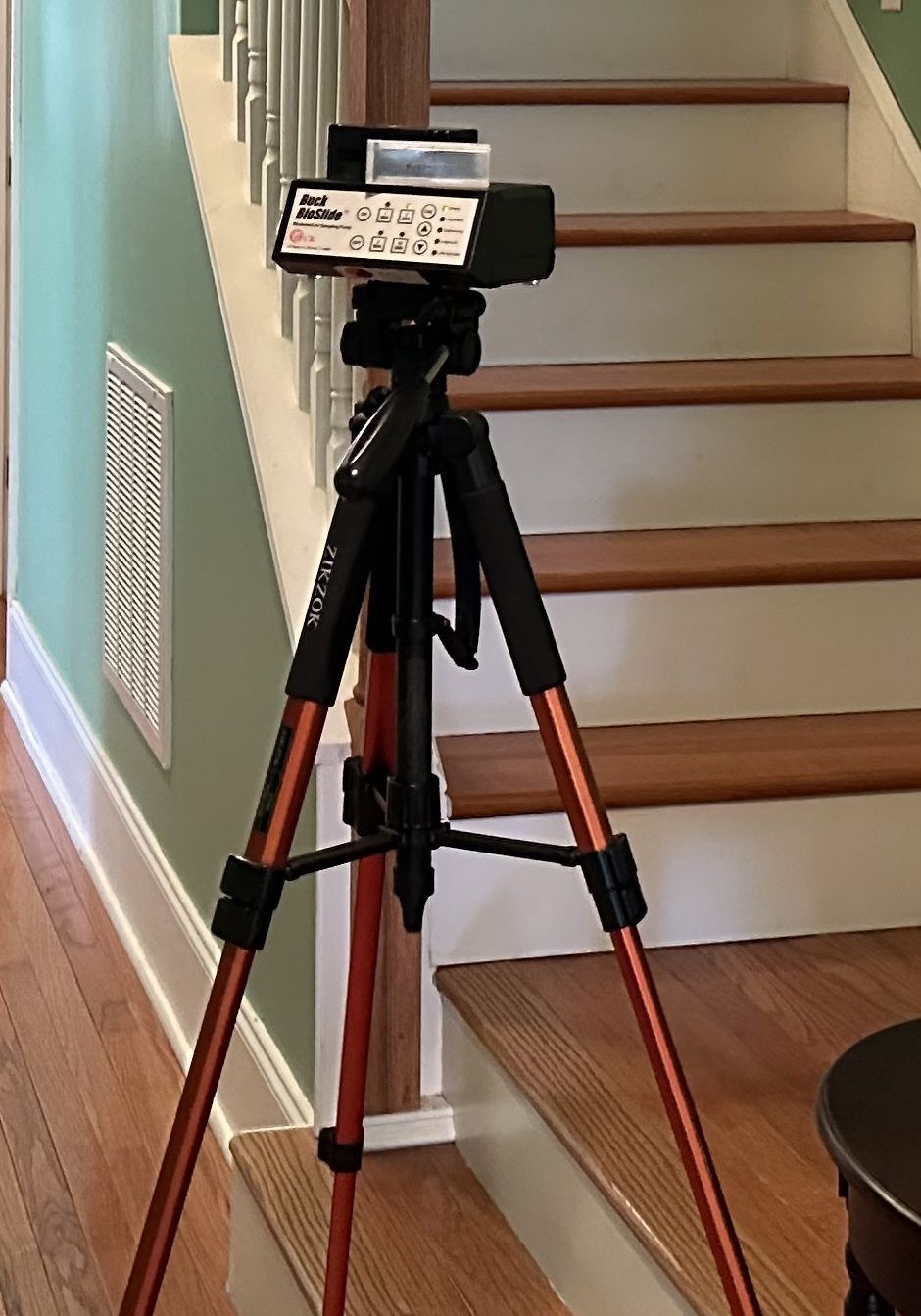
- Indoor air quality sampling with an outdoor baseline comparison
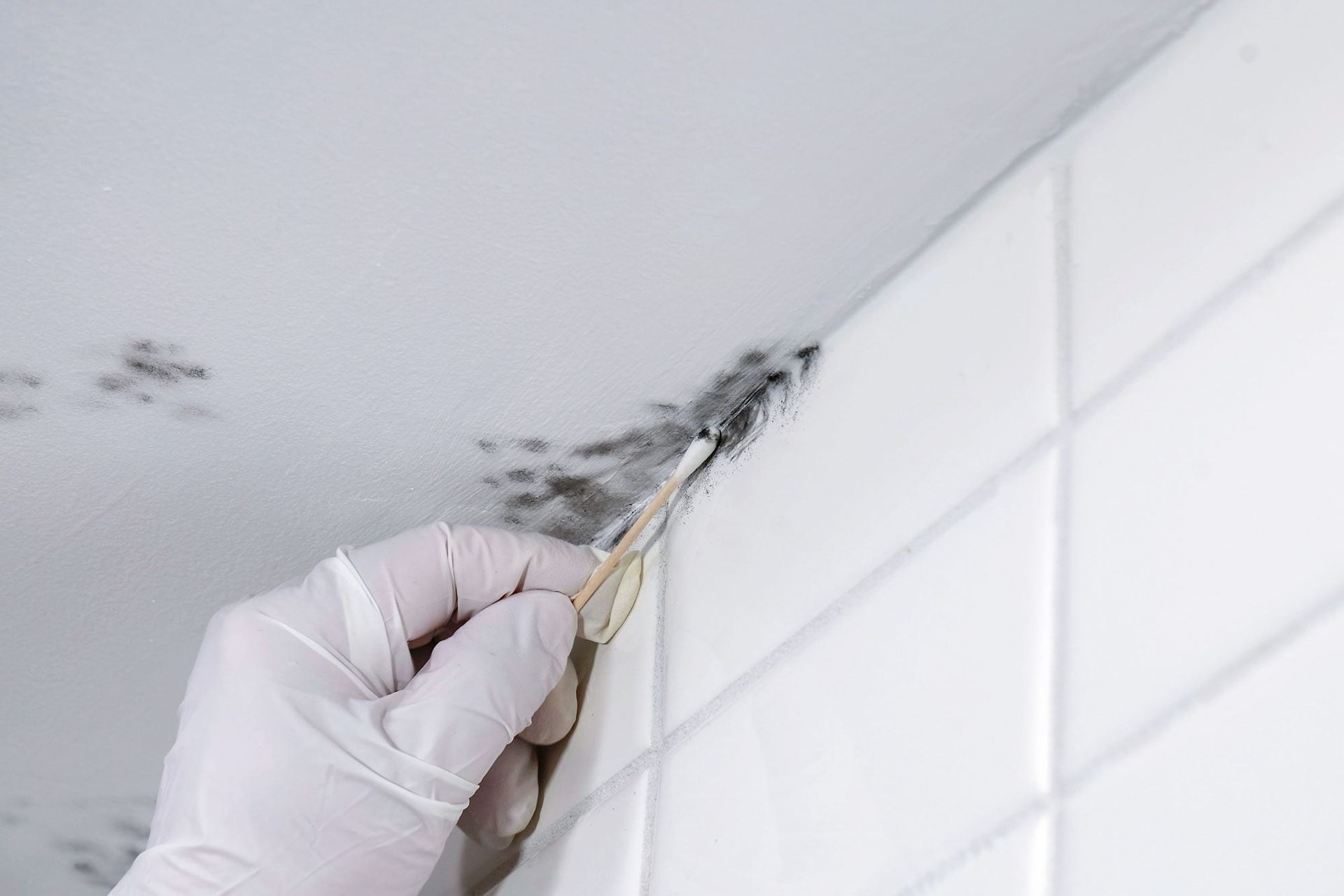
- Surface sampling to characterize suspected fungal growth
- Laboratory analysis with full spore identification and counts
- Professional interpretation of laboratory findings
- A written report with photographs, conclusions, and a clear remediation protocol when needed
This process ensures you receive both reliable data and practical next steps—not just raw numbers.
Additional Environmental Testing Services
Some properties require deeper analysis depending on occupant sensitivities, construction history, water events, or prior remediation. We offer expanded testing options that can be added to your assessment when appropriate:
Available specialty testing includes:
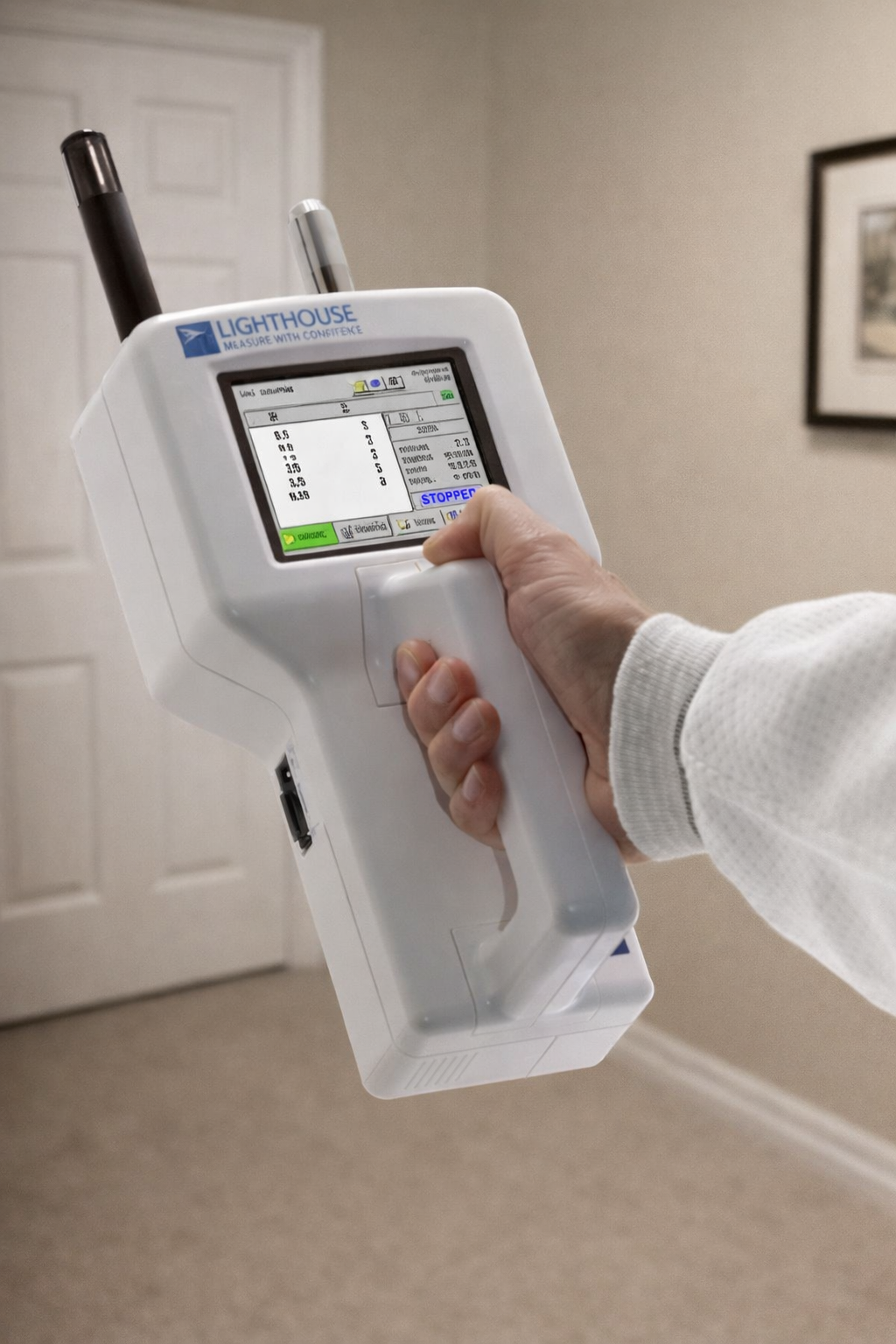
- Additional environmental analysis (TVOCs, HVOC, particle counts, CO, CO₂)
- Wall cavity sampling for concealed contamination
- Asbestos sampling
- ERMI testing
- HERTSMI testing
- VOC sampling
- Soot, char, and ash sampling following fire damage
- Coliform and E. coli sampling
- Mycotoxin sampling
- Actino bacteria sampling
- Instant onsite fungal spore identification by a laboratory technician
These services help create a more precise understanding of the indoor environment when standard testing alone isn’t enough.
Post-Remediation Verification Assessments
After remediation work is completed, verification testing confirms whether conditions have truly returned to normal. This step provides confidence that the job was done correctly and that the environment is safe again.
Post-remediation assessments include:
- A full visual walkthrough of remediated areas
- Moisture meter confirmation that affected materials are dry
- Air sampling to verify improved indoor air quality
- Surface sampling to confirm removal of fungal growth
- Laboratory analysis with spore identification and counts
- Interpretation of findings and documentation of results
- Collaboration with remediation contractors if additional corrections are needed
- A final written report with photos and an official determination that the environment has been restored
This documentation is often important for homeowners, buyers, landlords, medical providers, and insurance-related situations.
Clear Answers. Practical Next Steps.
Our goal isn’t just to test—it’s to help you understand what’s happening inside your property and what to do about it.
Every assessment concludes with a structured report that explains:
- what was found
- what it means
- whether action is necessary
- and exactly what remediation steps are recommended (if needed)
So you can move forward with clarity and confidence.
Share On: