
Why You Shouldn’t Rely on Visual Assessment Alone Without Mold Testing
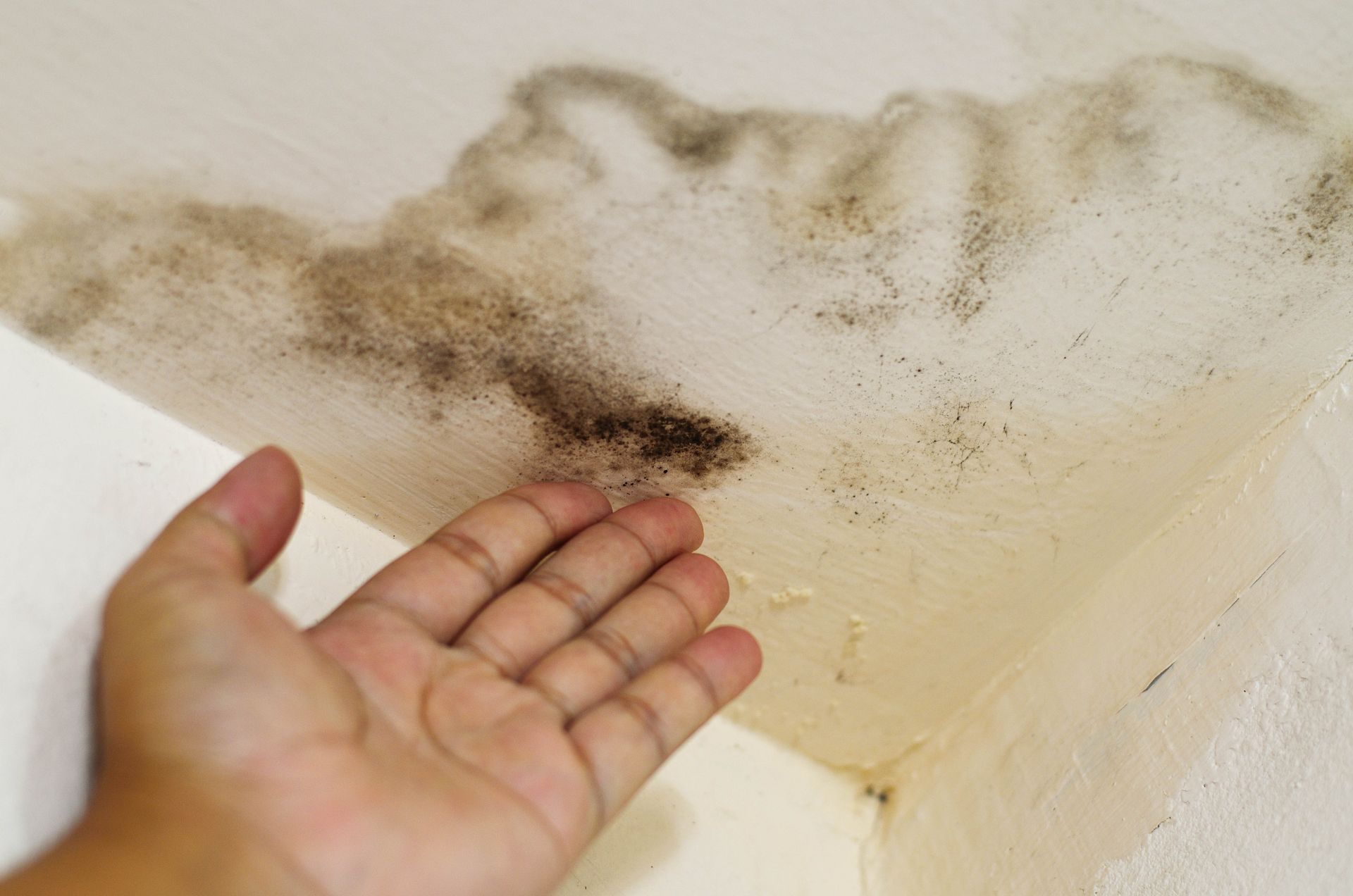
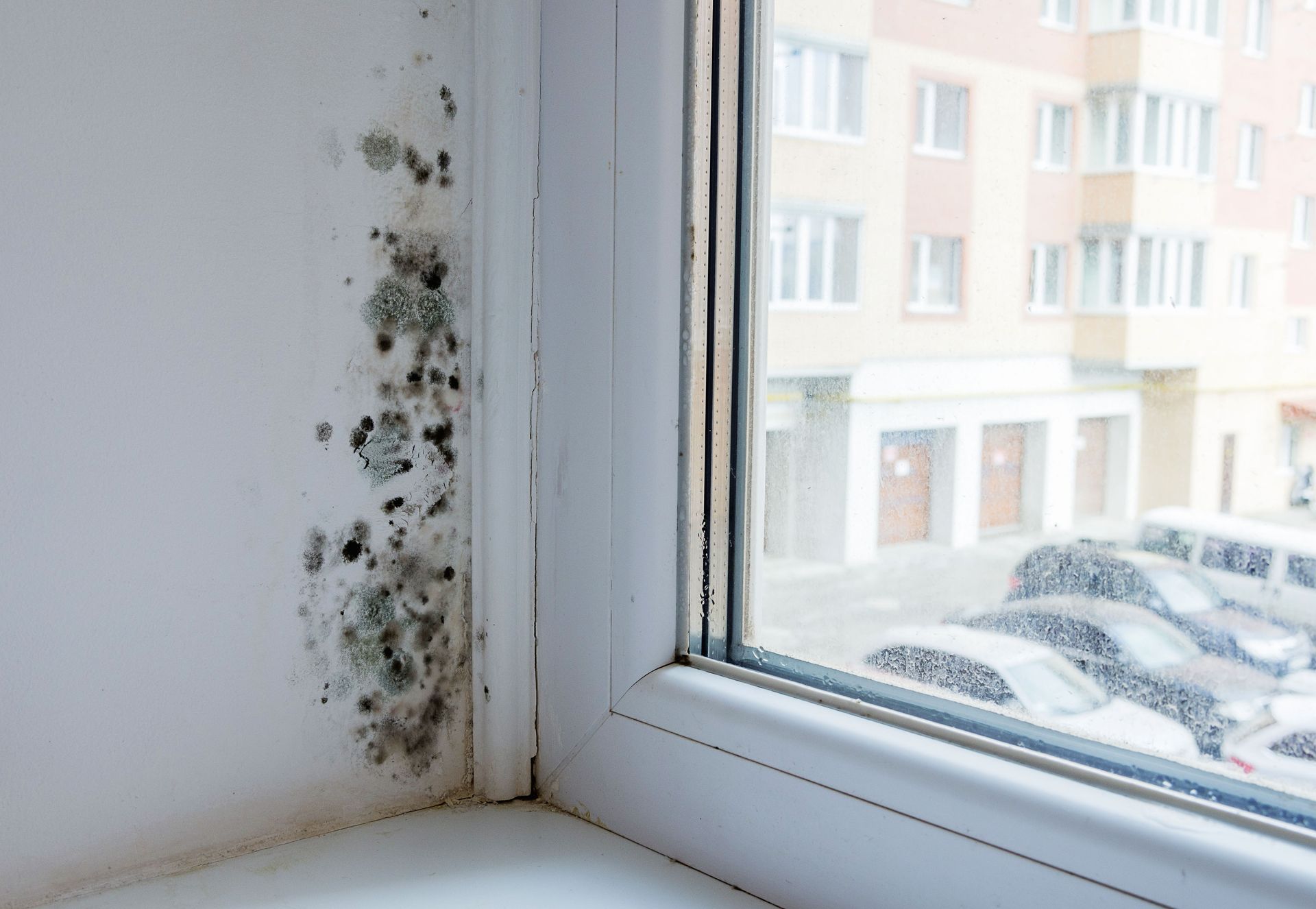
Stepping into a room and noticing a suspicious dark patch on the wall can immediately trigger concern for any property owner. It is tempting to look at a discolored spot, assume you know the extent of the problem, and move straight to planning a quick cleanup. However, relying purely on what your eyes can see is one of the most common pitfalls when dealing with indoor air quality and structural health. Mold growth is rarely just a surface issue, and what appears to be a minor cosmetic spot often masks a much larger, hidden problem within wall cavities, under flooring, or inside ventilation systems. Professional mold assessments provide the scientific clarity required to understand the full scope of contamination, ensuring that minor moisture issues do not transform into long-term hazards.
Recognizing the Hidden Scope of Microscopic Contamination
Visual inspections only capture the growth that has already broken through to accessible surfaces, completely missing the vast network of microscopic spores and hidden colonies thriving out of sight. Airborne fungal spores are entirely invisible to the naked eye, meaning a room can look completely spotless while still harboring elevated concentrations of contaminants in the air you breathe. Comprehensive mold assessments evaluate both surface conditions and hidden air quality factors to uncover what visual walkthroughs miss. By gathering objective environmental data, property owners gain an accurate understanding of their indoor environment rather than relying on educated guesses. This scientific approach ensures that hidden moisture pockets and unseen spore spikes are identified early, protecting the structural integrity of the property before damage spreads behind drywall and beneath subfloors.
Identifying Stains and Species Accurately
Discoloration on building materials can stem from numerous sources, including dirt accumulation, cosmetic staining, water marks, or various types of fungal growth. It is impossible to determine the exact type of organism or material present simply by looking at its color or texture. Detailed mold assessments utilize laboratory analysis to pinpoint the exact biological makeup of a sample, separating harmless surface stains from active fungal strains. Knowing the specific nature of the growth helps guide appropriate containment and remediation strategies tailored to the unique conditions of the property. Without precise testing, property owners risk misinterpreting harmless marks as active infestations or, conversely, dismissing hazardous growth as simple household dust.
Evaluating Indoor Air Quality Dynamics
A room may appear completely clean while still containing high concentrations of floating fungal spores that circulate every time the heating or cooling system turns on. Visual checks do not measure air movement, spore density, or potential cross-contamination between different rooms in a building. Through structured mold assessments, air samples are collected and evaluated to determine whether microscopic particles have spread beyond the immediate area of concern. Understanding spore movement throughout a structure is vital for establishing proper isolation protocols during repairs. By examining the dynamic behavior of indoor air, property owners can address systemic ventilation issues rather than focusing solely on isolated surface spots.
Uncovering the Underlying Water Source
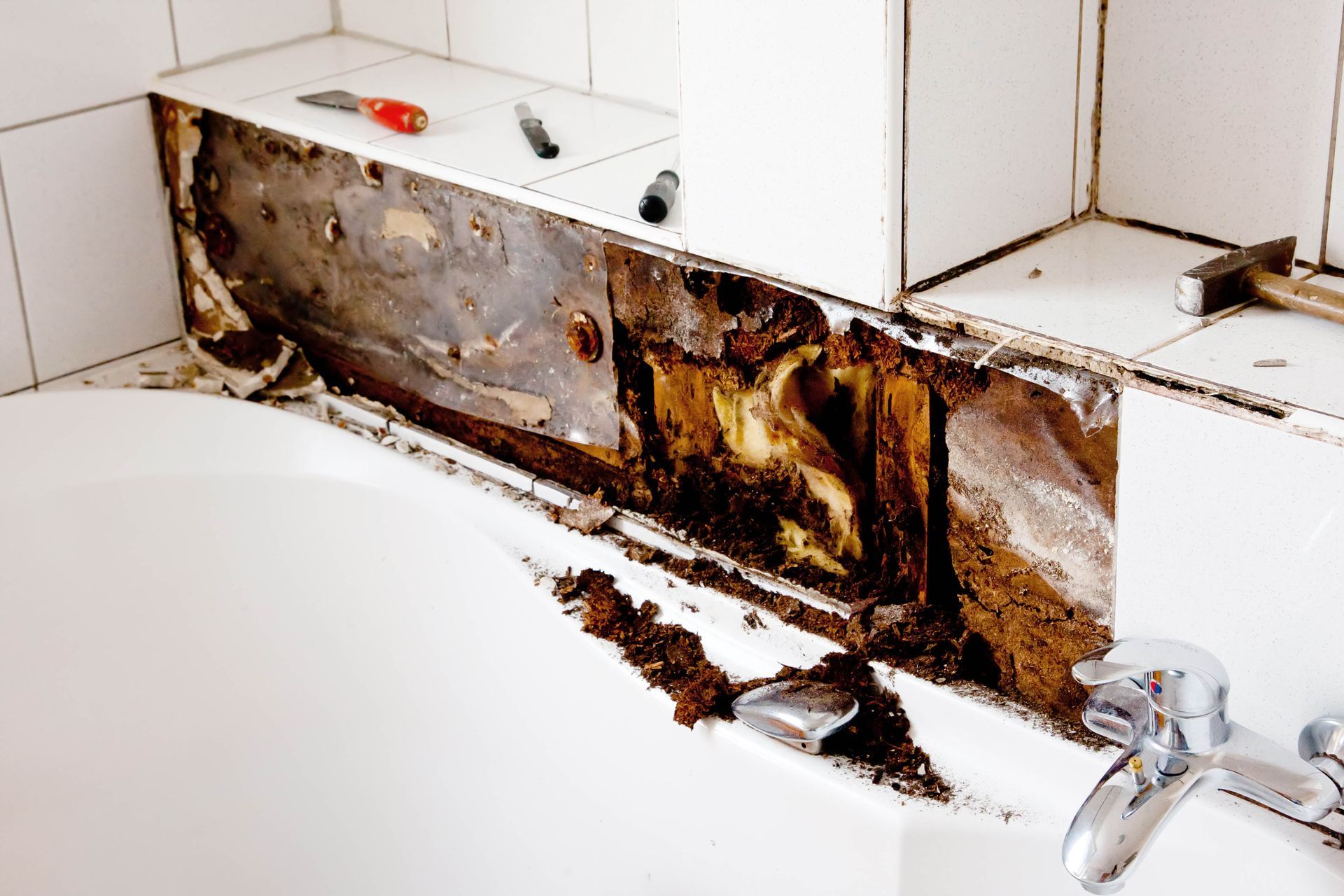
Fungal growth is always a secondary symptom of an underlying moisture problem, such as a slow pipe leak, high humidity, or structural seepage. Cleaning up visible spots without identifying and fixing the hidden moisture source ensures that the problem will return shortly after repairs are made. According to the EPA, if wet or damp materials and areas are dried within 24 to 48 hours after a leak or spill, mold will usually not develop. Thorough mold assessments help locate these persistent damp zones using calibrated moisture meters and thermal imaging, pinpointing water intrusion points that are completely hidden behind building materials. Addressing the root cause of water accumulation stops recurring growth and keeps indoor environments balanced over time.
Establishing Objective Baselines for Remediation
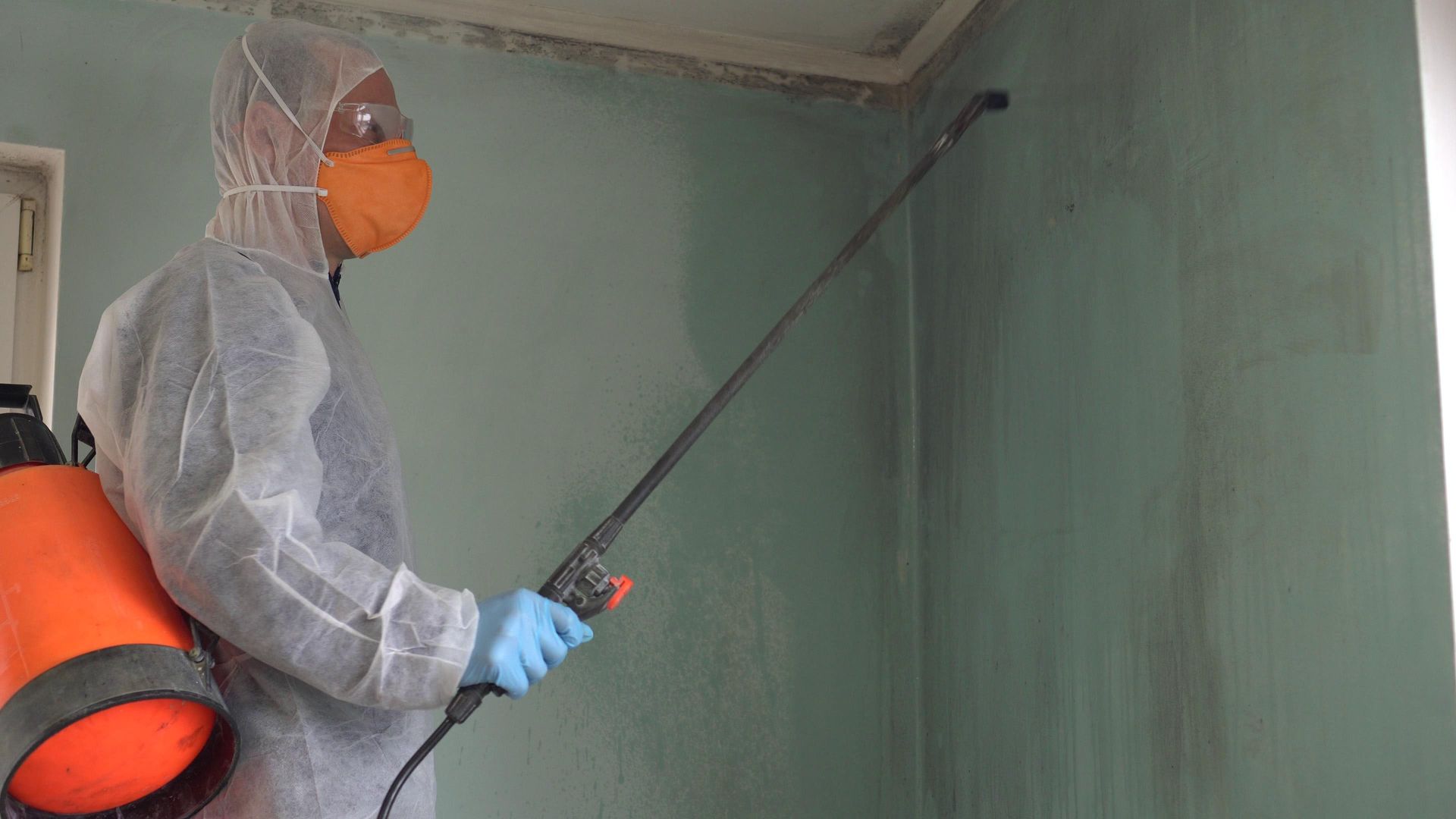
When physical repairs or cleanup efforts are required, having objective, baseline data is essential for tracking progress and verifying success. Without data, it is nearly impossible to prove whether an environmental cleanup successfully restored indoor air quality to normal, safe levels. Standardized mold assessments create an initial benchmark of environmental conditions across different areas of the property. This baseline allows property managers and owners to evaluate post-remediation clearance results against initial measurements with complete clarity. Having measurable data eliminates guesswork, ensuring that all necessary steps were completed thoroughly before living spaces or workplaces are reoccupied.
Preventing Unnecessary Financial Expenditures
Attempting to fix environmental issues based solely on visual assumptions often leads to misdirected funds, as property owners may pay for extensive structural tear-outs that are entirely unnecessary or miss hidden areas that require attention. Targeted mold assessments isolate the exact areas that need remediation, preventing over-scoped demolition projects while ensuring that actual problem zones are not ignored. By investing in precise diagnostic evaluations upfront, building owners allocate resources efficiently where they are needed most. This targeted strategy prevents the frustration and expense of repeated repair attempts caused by misdiagnosing the original environmental conditions.
Protecting Property Value and Real Estate Integrity
Undocumented environmental concerns can severely complicate real estate transactions, leading to delayed closings, renegotiated property values, or buyer cancellation. Buyers and financial institutions increasingly demand verifiable documentation regarding the environmental condition of a building before completing a purchase. Formal mold assessments deliver clear, professional documentation that outlines current environmental status and offers evidence of proper maintenance. Having objective records demonstrates responsible property care and provides buyers with concrete evidence regarding indoor air quality. Clear testing documentation helps maintain property marketability and prevents sudden surprises during structural inspections.
Understanding Structural Material Vulnerabilities
Different building materials react uniquely to moisture exposure and fungal colonization, with porous items like insulation, drywall, and carpeting absorbing moisture far deeper than hard, non-porous surfaces. A quick glance cannot reveal how deeply fungal hyphae have penetrated into wooden framing members or subflooring materials. Detailed mold assessments analyze the depth and extent of structural impact across various material types within a space. This detailed analysis determines which building components can be safely dried and restored and which structural items must be carefully removed and replaced. Understanding material vulnerability protects the long-term load-bearing safety of the structure.
Evaluating Exposure Factors in Commercial Spaces
In commercial properties, multi-tenant buildings, and public facilities, maintaining documented indoor environmental standards is essential for occupant comfort and operational compliance. Visual checks alone do not provide the legally defensible data needed to address occupant concerns or satisfy facility management standards. Routine mold assessments offer facility managers verifiable data regarding indoor environmental quality across multi-room layouts and complex HVAC systems. Keeping accurate, regular testing records helps management maintain safe working conditions and address environmental inquiries with confidence. This proactive documentation supports positive relationships between building management, staff, and commercial tenants.
Long-Term Environmental Monitoring and Prevention
Managing indoor environmental health is an ongoing process that requires consistent monitoring, especially in climates prone to high humidity, seasonal flooding, or temperature swings. Relying solely on periodic visual walkthroughs leaves property owners vulnerable to recurring moisture issues that develop quietly out of view. Integrating comprehensive mold assessments into routine property maintenance schedules provides early detection of subtle environmental shifts before structural damage occurs. Regular environmental tracking allows owners to adjust building ventilation, control humidity levels, and address minor moisture events long before they escalate into major restoration projects.
Relying on a visual check alone is simply not enough to ensure a healthy, structurally sound indoor environment. Microscopic spores, hidden moisture pockets within wall cavities, and airborne circulation patterns demand objective, scientific evaluation to uncover the true conditions inside a property. Professional mold assessments provide the essential data, clear documentation, and actionable insights needed to address environmental issues accurately and efficiently from the start. Protecting your property investment and ensuring long-term indoor air quality requires moving past basic surface observations in favor of thorough environmental testing. For detailed environmental evaluations and accurate indoor air quality testing, connect with LRC Indoor Testing & Research to request a consultation today.


Share On: